
By Hometown Dental
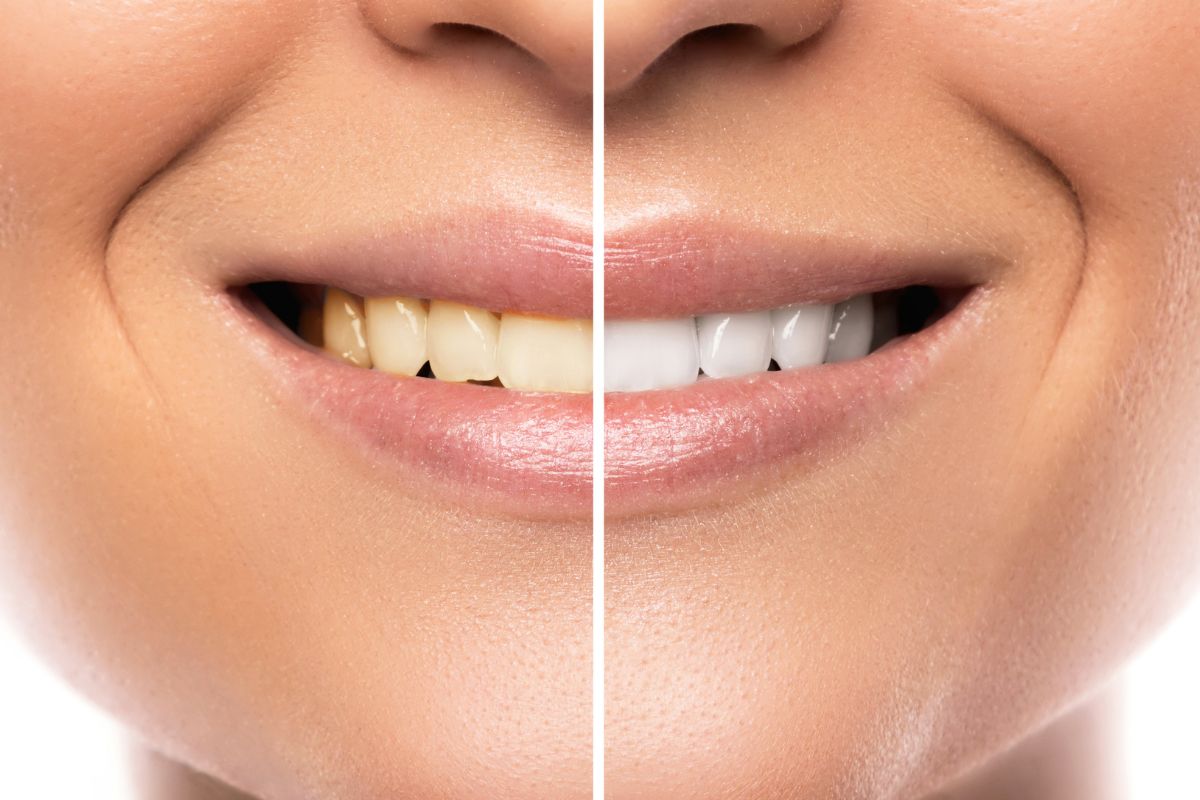
Are discolored teeth affecting confidence? Teeth whitening is a popular solution that many pursue for a brighter smile. However, it’s essential to consider the oral health impacts of these whitening treatments. Understanding the balance between aesthetics and oral care is vital. This guide will explore important aspects of teeth whitening and provide insights on ensuring safety and effectiveness.
Understanding Teeth Whitening Options
There are several safe whitening methods available, ranging from in-office treatments to at-home kits. Each method comes with its pros and cons, and it’s crucial to choose the one that aligns with individual needs.
1. Professional Whitening Treatments
Professional whitening, conducted by a dentist, is often the most effective and safest option. Dentists use stronger whitening agents that can yield immediate results. This method minimizes the risk of side effects and ensures that enamel health is prioritized.
2. At-Home Whitening Kits
Many people opt for over-the-counter whitening products. While these can be convenient and less expensive, they vary in effectiveness. It’s important to follow the instructions closely to avoid potential whitening side effects, such as gum irritation or increased tooth sensitivity.
Key Considerations for At-Home Kits:
- Active Ingredients: Look for products with safe concentrations of hydrogen peroxide or carbamide peroxide.
- Application Method: Ensure the product has an application method that minimizes contact with gums.
The Side Effects of Teeth Whitening
While teeth whitening can enhance smiles, it may also lead to some unwanted effects. Understanding these whitening side effects is essential for maintaining oral health.
Common Side Effects Include:
- Tooth Sensitivity: Some individuals experience heightened sensitivity during or after the whitening process.
- Gum Irritation: If whitening agents come in contact with gums, it can lead to inflammation.
To minimize these side effects, consider consulting with a dentist who can recommend suitable products and techniques tailored to individual sensitivities.
Maintaining Long-Term Results
Achieving a bright smile is just the first step. Ensuring the results last requires proper aftercare and maintenance. Here are some tips to prolong the effects of whitening treatments:
- Regular Dental Check-ups: Schedule routine visits to the dentist to monitor oral health and discuss any concerns.
- Good Oral Hygiene Practices: Brush and floss regularly to maintain a healthy mouth and prevent staining.
- Diet Considerations: Avoid foods and drinks that may cause discoloration, such as coffee, red wine, and certain berries.
Importance of Dentist Recommendations
Consulting a dentist before starting any whitening treatment is crucial. They can evaluate the current state of oral health and provide personalized advice, ensuring the chosen method is safe and effective. Dentist recommendations can prevent potential complications and enhance results.
Conclusion
Teeth whitening can significantly improve confidence and aesthetics, but it’s essential to keep oral health impacts in mind. By understanding safe methods, recognizing potential side effects, and maintaining long-term results, individuals can enjoy brighter smiles without compromising their dental well-being.
For a successful whitening journey, consider consulting a highly experienced dentist for personalized recommendations and a tailored treatment plan. Your smile deserves the best care!