
By Hometown Dental
Tooth damage is more common than most people expect. It might start with a small cavity or a chipped edge, but deciding how to fix it can feel confusing. Should you go with a filling, or is a crown the better option?
The answer depends on how much of your tooth is affected, how strong it needs to be to move forward, and what your long-term goals are. Let’s walk through it in a way that actually makes sense for everyday decisions.
When a Dental Crown Is the Right Choice
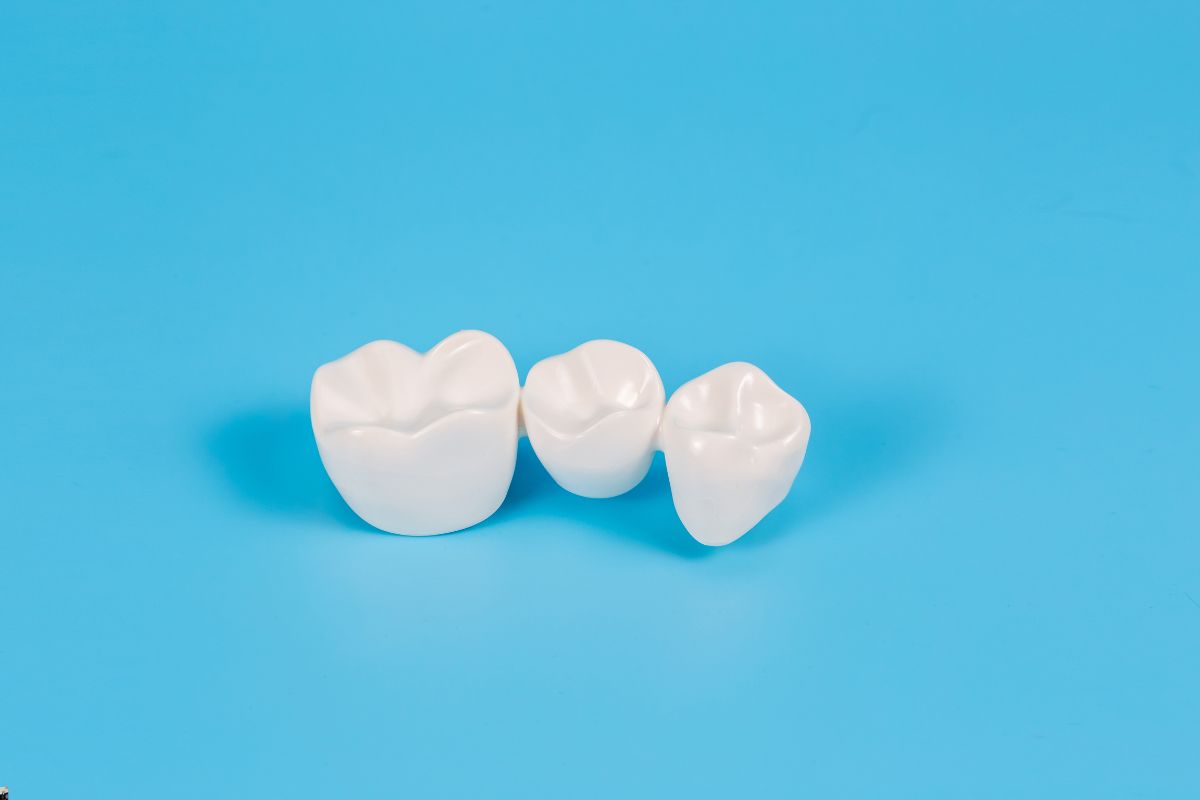
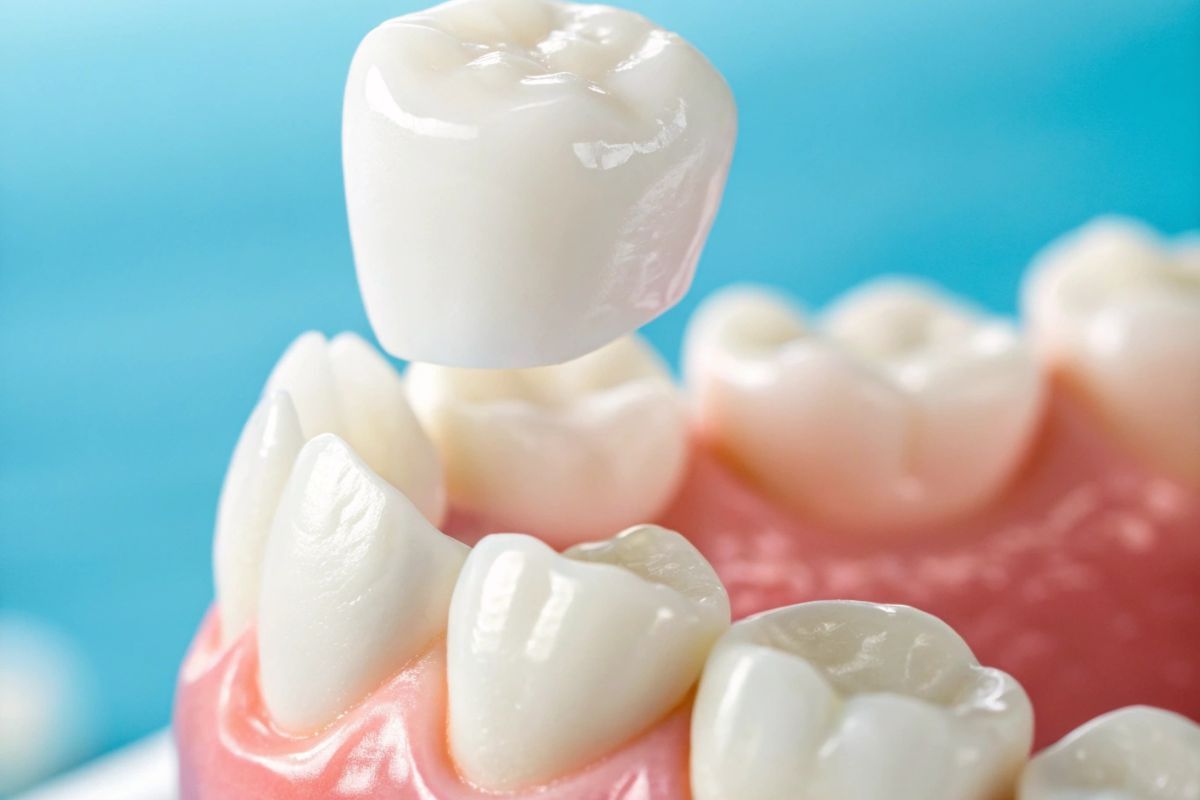
A dental crown acts like a protective cap, covering your tooth completely. It restores not just the tooth’s appearance, but also its strength and function.
Dentists typically recommend a crown when:
- A large portion of the tooth is damaged or decayed
- The tooth has a crack that needs reinforcement
- You’ve had a root canal that leaves the tooth weaker
- A filling wouldn’t provide enough support
- The tooth has worn down over time
Because a crown covers the entire visible portion of the tooth, it offers a durable, long-lasting solution. Crowns protect teeth from further damage and let you chew comfortably again.
When a Filling Is Sufficient
Fillings are best for smaller areas of decay or minor damage. They restore the tooth without significantly altering its natural structure.
You may need a filling if:
- The cavity is small to moderate
- Most of the tooth structure is still intact
- There’s no significant cracking or weakening
- You prefer a quicker, less invasive procedure
Fillings are usually completed in a single visit and require minimal removal of natural tooth structure. For early-stage cavities, they’re often the simplest and most practical solution.
Key Differences You Should Know
| Feature | Filling | Crown |
|---|---|---|
| Coverage | Repairs only the affected area | Covers the entire tooth |
| Strength | Suitable for minor damage | Provides extra durability for heavily damaged teeth |
| Longevity | May need replacement sooner | Can last many years with proper care |
| Procedure Time | Quick and simple | Often requires multiple visits |
How Dentists Decide What You Need
Your dentist considers much more than just the size of a cavity when determining the best treatment. They evaluate how the tooth will function over time, taking into account factors such as the size and depth of the decay, the location of the tooth in your mouth, your bite pressure and chewing habits, any existing restorations, and your overall oral health.
For instance, a small cavity on a front tooth may only require a filling, while a large cavity on a molar that endures heavy chewing forces might need a crown to ensure long-term strength and protection.
How to Take Care of Your Restoration
Whether you choose a crown or a filling, proper care is essential to keep your restoration lasting for years. This includes brushing twice daily with fluoride toothpaste and flossing every day to protect the edges of the restoration.
It’s also important to avoid chewing hard objects like ice or hard candy, maintain regular dental checkups, and address any discomfort promptly to prevent complications.
With proper care, both crowns and fillings can provide long-lasting protection and keep your teeth healthy.
Protect Your Dental Health in Sedalia
If you’re unsure whether a filling or a crown is right for your tooth decay, the best next step is a professional evaluation. Every smile is unique, and personalized advice ensures the best results.
At Hometown Dental in Sedalia, we take the time to explain your options clearly so you can make confident decisions about your oral health. Contact us today at our dental office and let our team help you restore both function and confidence in your smile.
FAQs About Dental Crown vs. Filling
1. What is the main difference between a filling and a crown?
A filling restores a small area of a damaged tooth, while a crown covers the entire tooth to provide strength, protection, and improved appearance. Crowns are usually recommended for more extensive damage.
2. How do I know if I need a crown or a filling?
Your dentist will evaluate the size of the decay, location of the tooth, chewing pressure, and overall oral health. Small cavities often need fillings, while large or weakened teeth may require crowns.
3. How long does a dental filling last compared to a crown?
Fillings generally last several years but may need replacement sooner if damaged or worn. Crowns are more durable and can last 10–15 years or longer with proper care.
4. Is getting a crown more painful than a filling?
Both procedures are performed under local anesthesia, so discomfort is minimal. Crowns may require more than one visit, but pain is usually well-managed during and after the procedure.
5. Can I chew normally after getting a crown or filling?
Yes. A properly placed filling or crown restores tooth function, allowing you to chew comfortably. Avoid very hard foods initially to give the restoration time to settle.
6. How can I make my restoration last longer?
Maintain good oral hygiene by brushing twice daily, flossing, avoiding hard foods, and visiting your dentist regularly for checkups. Address any discomfort early to prevent complications.
7. Can a tooth with a root canal still get a filling?
While some root-canaled teeth may receive a filling, many require a crown for added protection. Crowns help reinforce the tooth and prevent fractures over time.