
By Hometown Dental
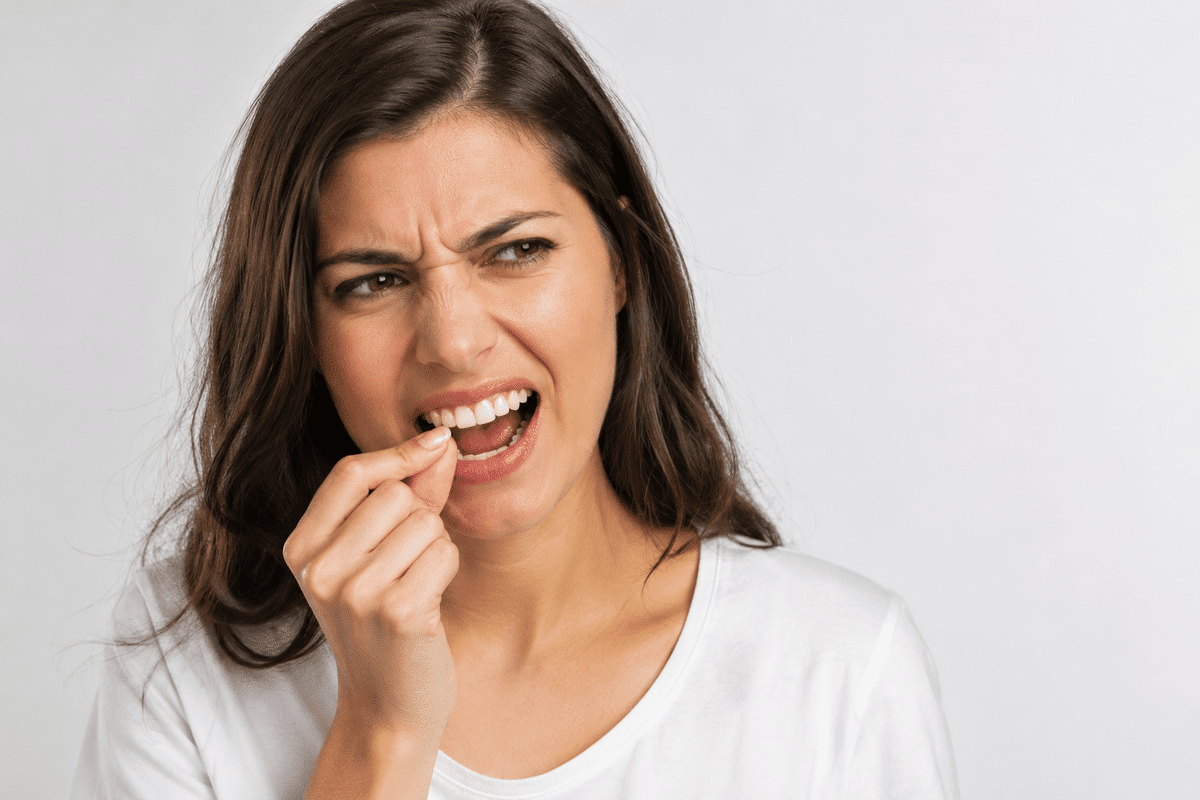
You sit down to enjoy a meal, take a bite, and suddenly feel a sharp pain in your tooth. It may happen only on one side of your mouth, or it may come and go throughout the day. Either way, tooth pain while chewing is your body’s way of telling you that something needs attention.
If your tooth hurts when you bite down, it is usually a symptom of an underlying dental concern rather than a problem on its own. In some cases, the cause may be simple to treat, but persistent or worsening pain could point to a condition that requires professional care. Consulting an experienced dentist can help determine the cause and prevent more serious complications in the future.
Let’s look at some possible reasons your tooth may hurt when chewing or biting.
A Cracked Tooth
A small crack in a tooth can be difficult to see, but it can cause significant discomfort when pressure is applied during chewing. The pain may feel sharp and may disappear once the pressure is released.
Common signs include:
- Pain when biting down
- Sensitivity to hot or cold foods
- Discomfort that comes and goes
If you notice these symptoms, it is important to consult an experienced dentist for an evaluation before the crack becomes larger and more difficult to treat.
Tooth Decay
Cavities are among the most common causes of tooth pain. As decay progresses deeper into the tooth, the inner layers become more sensitive. Chewing can place pressure on the affected area and trigger discomfort.
You may also notice:
- Sensitivity to sweets
- Visible holes or dark spots
- Occasional toothaches
Early treatment can help preserve more of the natural tooth structure.
A Loose or Damaged Filling
Dental fillings do not last forever. Over time, they can wear down, crack, or loosen. When this happens, the tooth may become vulnerable to pressure and sensitivity.
Warning signs include:
- Pain when chewing
- Food gets trapped around the filling
- Sensitivity to temperature changes
A simple repair or replacement may restore comfort and function.
Gum Disease
Healthy gums help support your teeth. When gum disease develops, inflammation can affect the tissues surrounding the tooth, making chewing uncomfortable.
Symptoms often include:
- Red or swollen gums
- Bleeding during brushing
- Persistent bad breath
- Tenderness around specific teeth
Addressing gum disease early can help protect both your gums and your teeth.
Tooth Abscess
An abscess is a bacterial infection that develops near the root of a tooth or within the surrounding gum tissue. This condition can create intense pressure and pain, especially when biting.
Possible symptoms include:
- Throbbing tooth pain
- Swelling in the face or gums
- A bad taste in the mouth
- Sensitivity when chewing
Dental infections should be treated promptly to prevent the infection from spreading.
Teeth Grinding and Clenching
Many people grind or clench their teeth while sleeping without realizing it. Over time, this habit can place excessive force on the teeth and supporting structures.
Signs of grinding may include:
- Tooth pain in the morning
- Jaw soreness
- Worn tooth surfaces
- Increased tooth sensitivity
Managing grinding habits can help reduce stress on the teeth and jaw.
Damaged Dental Crown
Dental crowns are designed to protect weakened teeth, but they can occasionally become loose, cracked, or worn.
When a crown no longer fits properly, you may experience:
- Pain while chewing
- Sensitivity around the crowned tooth
- A feeling that the bite is uneven
A dental examination can determine whether the crown needs adjustment or replacement.
Sinus Pressure
The roots of upper back teeth are located close to the sinus cavities. During a sinus infection or severe congestion, sinus pressure can sometimes cause discomfort that feels like tooth pain.
This type of pain is often accompanied by:
- Nasal congestion
- Facial pressure
- Headaches
- Pain affecting multiple upper teeth
Once the sinus issue improves, the tooth discomfort often resolves as well.
Bite Misalignment
When your teeth do not come together properly, certain teeth may absorb more pressure than they should during chewing. This uneven force can lead to soreness and sensitivity.
You might notice:
- Discomfort when biting
- Uneven tooth wear
- Jaw fatigue
- A feeling that your teeth do not fit together correctly
Correcting bite issues can improve both comfort and long-term oral health.
How to Manage a Toothache When Biting Down
While home remedies cannot fix the underlying cause of tooth pain, they may help reduce discomfort until you can see a dentist.
- Rinse your mouth with warm salt water to help soothe irritated gums and remove food particles that may be trapped around the tooth.
- Apply a cold compress to the outside of your cheek for 15 to 20 minutes at a time. This can help reduce swelling and temporarily ease pain.
- Avoid chewing on the side of the mouth where the tooth hurts. Giving the area a break may prevent further irritation.
- Keep the area clean by brushing gently and flossing carefully around the affected tooth.
- Choose soft foods such as yogurt, soup, mashed potatoes, or scrambled eggs if chewing causes discomfort.
- Stay away from very hot, very cold, sugary, or hard foods that may trigger sensitivity and worsen the pain.
These home remedies may provide temporary relief, but they will not treat issues such as cavities, cracks, infections, or gum disease. If the pain persists or worsens, schedule a dental evaluation as soon as possible.
Don’t Ignore These Signs of Tooth Trouble
Even if tooth pain seems mild at first, it should not be ignored if it persists or worsens over time. If your discomfort lasts longer than a day or two, makes it difficult to eat, or is accompanied by swelling in the gums or face, it is important to schedule a dental evaluation. Increasing sensitivity to hot, cold, or sweet foods can also indicate an underlying problem that requires attention.
Additionally, signs of infection, such as persistent throbbing pain, swelling, or a bad taste in the mouth, should be addressed as soon as possible. Seeking professional care early can often lead to simpler treatment and help prevent more serious dental complications.
Stop Tooth Pain Before It Gets Worse in Sedalia
Tooth pain when chewing is often a sign that something needs attention. Whether the issue is a cavity, a cracked tooth, an infection, or a bite problem, identifying the cause early can help protect your smile and prevent the need for more extensive treatment later.
At Hometown Dental, our team is committed to helping patients find relief and restore their oral health with personalized care. Visit our dental office in Sedalia to find out what may be causing your tooth discomfort.
FAQs About Tooth Pain When Biting Down
Can a cavity cause pain only when chewing?
Yes. A cavity may not hurt all the time. As decay reaches deeper layers of the tooth, chewing pressure can trigger discomfort. The pain often becomes more noticeable as the cavity grows.
Why does one specific tooth hurt when I bite down?
Pain in a single tooth is often linked to a crack, cavity, damaged filling, infection, or bite issue. A dental examination can help identify the exact cause.
Can stress cause tooth pain while chewing?
Yes. Stress can contribute to teeth grinding and clenching, which place extra pressure on the teeth and jaw. Over time, this may lead to discomfort when biting or chewing.
Is tooth pain while chewing considered a dental emergency?
It depends on the cause. Severe pain, swelling, fever, or signs of infection should be evaluated promptly. Mild discomfort should still be checked if it does not improve.
Can a cracked tooth heal on its own?
No. Unlike some other parts of the body, a cracked tooth cannot repair itself. Professional treatment is usually necessary to prevent the crack from worsening.
Why does my tooth hurt even though I do not see a cavity?
Not all dental problems are visible. Cracks, infections, gum disease, bite issues, and damaged restorations can all cause pain without obvious signs on the surface.
Will tooth pain go away without treatment?
Some symptoms may temporarily improve, but the underlying problem often remains. Delaying care can allow the condition to become more serious and harder to treat.