

By Hometown Dental
Does a water flosser remove plaque? Many people ask this question during dental visits. According to every experienced dentist, water flossers have become popular tools for improving oral hygiene. But are they really effective at removing plaque? Let’s break it down in simple terms.
What Is Plaque and Why Is It Harmful?
Plaque is a soft, sticky film made of bacteria, food particles, and saliva. It constantly forms on your teeth and gums. If not removed properly, plaque can harden into tartar, which leads to gum disease and tooth decay.
Problems Caused by Plaque:
- Bad breath
- Yellow or discolored teeth
- Cavities
- Gum inflammation (gingivitis)
- Periodontal disease
That’s why removing plaque daily is important for a healthy smile.
What Is a Water Flosser?
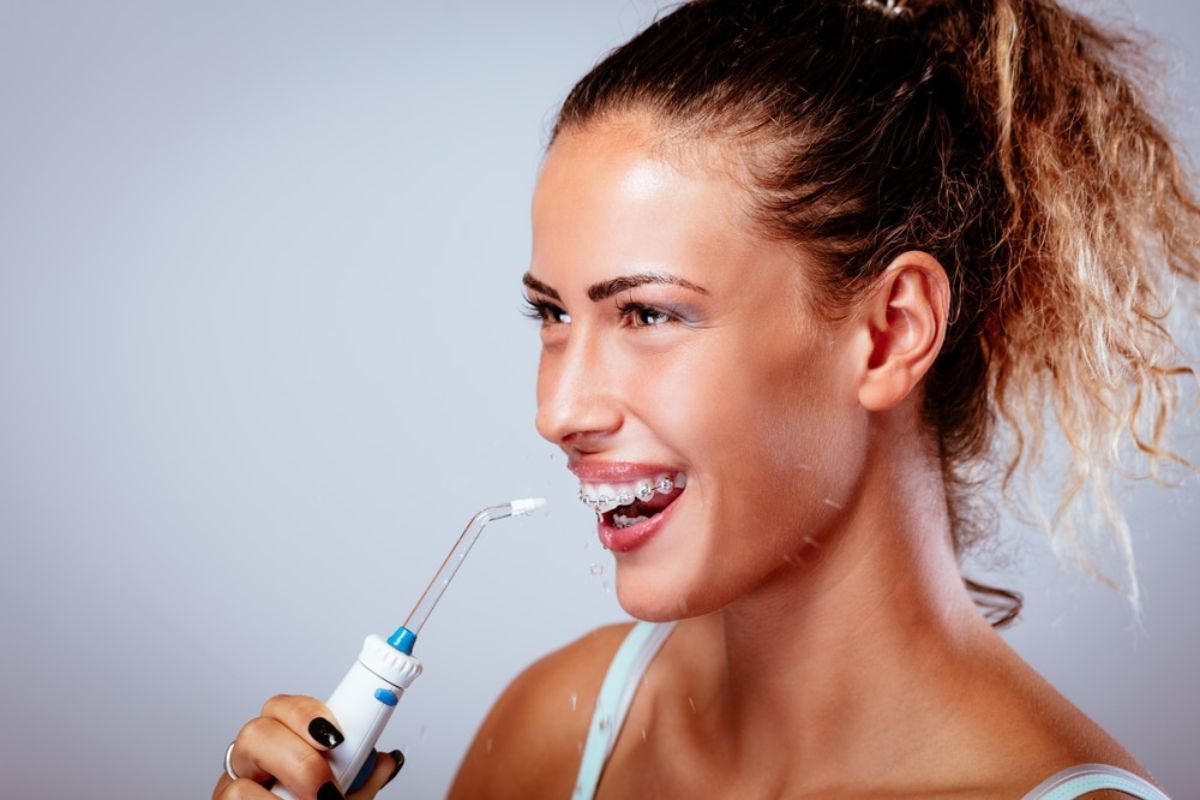
A water flosser is a handheld device that sprays a steady stream of water between your teeth and along your gumline. It helps clean areas that a toothbrush might miss. Water flossers are especially helpful for people with braces, implants, or sensitive gums.
Common Types of Water Flossers:
- Countertop models – Larger, with adjustable pressure settings.
- Cordless models – Portable and travel-friendly.
- Shower flossers – Attached directly to your showerhead.
How Does a Water Flosser Work?
Water flossers use pressurized water to flush out food debris, bacteria, and plaque. The force of the water helps clean between teeth and under the gumline. Many users find them easier and gentler than string floss.
Benefits of Using a Water Flosser:
- Easy to use
- Gentle on the gums
- Reaches tight spaces
- Helps reduce bleeding
- Suitable for people with braces or crowns
Does a Water Flosser Remove Plaque?
Yes, it does! Several studies and dental reviews have shown that water flossers effectively reduce plaque. While they may not replace traditional floss completely, they are a strong addition to your oral care routine.
Research Insights:
- A study published in the Journal of Clinical Dentistry found that water flossers removed up to 99.9% of plaque from treated areas.
- Another study showed that using a water flosser along with a toothbrush is more effective than brushing and string flossing alone.
Dentists recommend water flossers for patients who struggle with regular flossing or need a gentler method of cleaning.
Should You Use a Water Flosser Every Day?
Absolutely! For best results, use your water flosser once a day, preferably at night before bed. This ensures that all food particles and bacteria are removed before you sleep.
Daily Routine Tips:
- Brush your teeth first.
- Use the water flosser for 1–2 minutes.
- Focus on the gumline and between each tooth.
- Follow up with mouthwash for extra protection.
Are There Any Drawbacks?
While water flossers are effective, they are not perfect for everyone. Some may find them messy or costly. Also, using only a water flosser without brushing isn’t enough.
Possible Downsides:
- Higher initial cost
- Requires electricity or batteries
- May require space for storage
- Can feel awkward at first
Despite these, the benefits often outweigh the drawbacks—especially if recommended by your dentist.
Conclusion
So, does a water flosser remove plaque? The answer is yes. When used correctly, it can significantly improve your oral health by flushing out food particles and bacteria from hard-to-reach areas. While it shouldn’t replace brushing or regular dental visits, it’s a powerful tool to support your daily routine.
If you’re unsure whether a water flosser is right for your smile, the friendly team at Hometown Dental in Sedalia, MO is here to help. Our experienced dentists will guide you with personalized recommendations based on your oral health needs.
Schedule your consultation today and take the next step toward a cleaner, healthier smile—with or without a water flosser!