
By Hometown Dental
Healthy teeth and gums are essential for eating, speaking, and maintaining confidence in your smile. Many people believe that brushing and flossing alone are enough, but long-term oral health also relies on consistent professional care. Understanding how regular dental care works can significantly help individuals prevent common dental problems such as cavities and gum disease.
What Is Routine Dental Care and Why Does It Matter
Routine dental care includes scheduled dental cleanings, oral examinations, preventive treatments, and education on at-home hygiene. It focuses on preventing dental problems before they start. By keeping your teeth and gums healthy early on, you reduce the need for more advanced and costly dental procedures later.
How Plaque and Bacteria Lead to Cavities
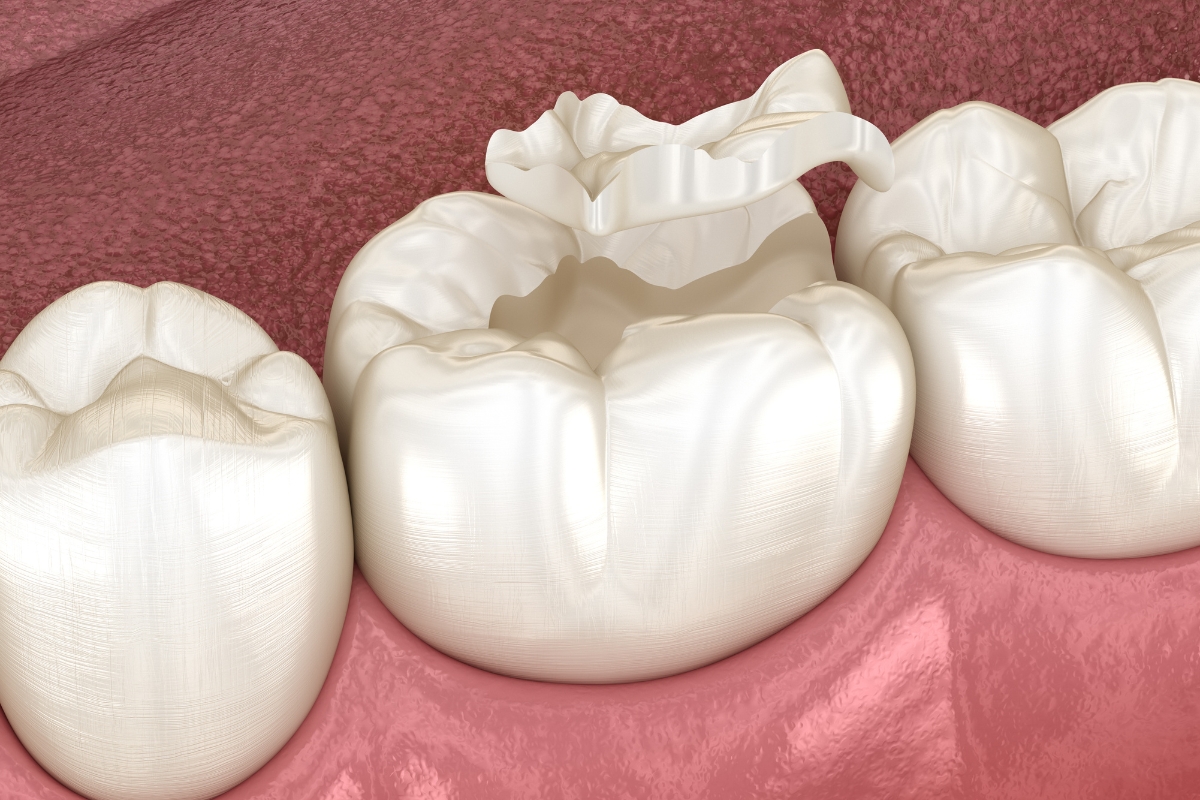
Routine dental care involves addressing plaque buildup before it becomes damaging. Plaque is a sticky film of bacteria that forms naturally on teeth. When plaque is not removed, it turns into tartar, which can lead to cavities. Routine dental care in Sedalia helps reduce harmful bacteria levels and protect enamel, especially in hard-to-clean areas, with just a toothbrush and floss.
The Role of Routine Cleanings in Preventing Tooth Decay
Visiting a dentist for professional cleanings helps prevent tooth decay by removing plaque and tartar from below the gumline and deep grooves of the teeth. Even with good home care, professional tools and techniques reach areas that daily brushing cannot.
Regular Dental Checkups Help Detect Problems Early
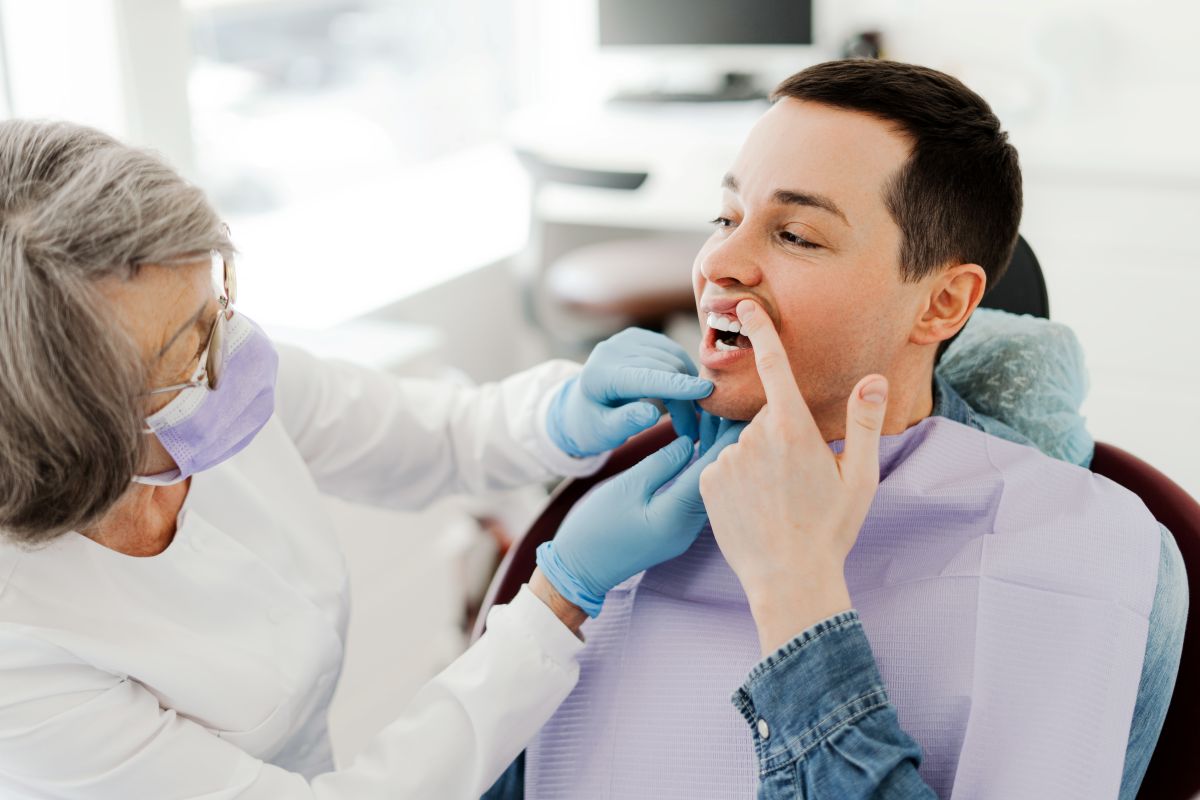
Basic dental care helps detect oral health concerns early. Your dentist examines your teeth, gums, tongue, and mouth tissues for signs of decay, gum disease, bite issues, or oral infections. Detecting problems early leads to more straightforward, affordable treatment.
Preventing Gum Disease Through Professional Care
Gum disease begins with inflammation called gingivitis. Without care, it can progress to periodontal disease, which damages the bone and tissue structures that support the teeth. Regular dental examinations remove irritants that trigger inflammation, keeping your gum tissue healthy and strong.
Daily Oral Hygiene Habits to Support Dental Health
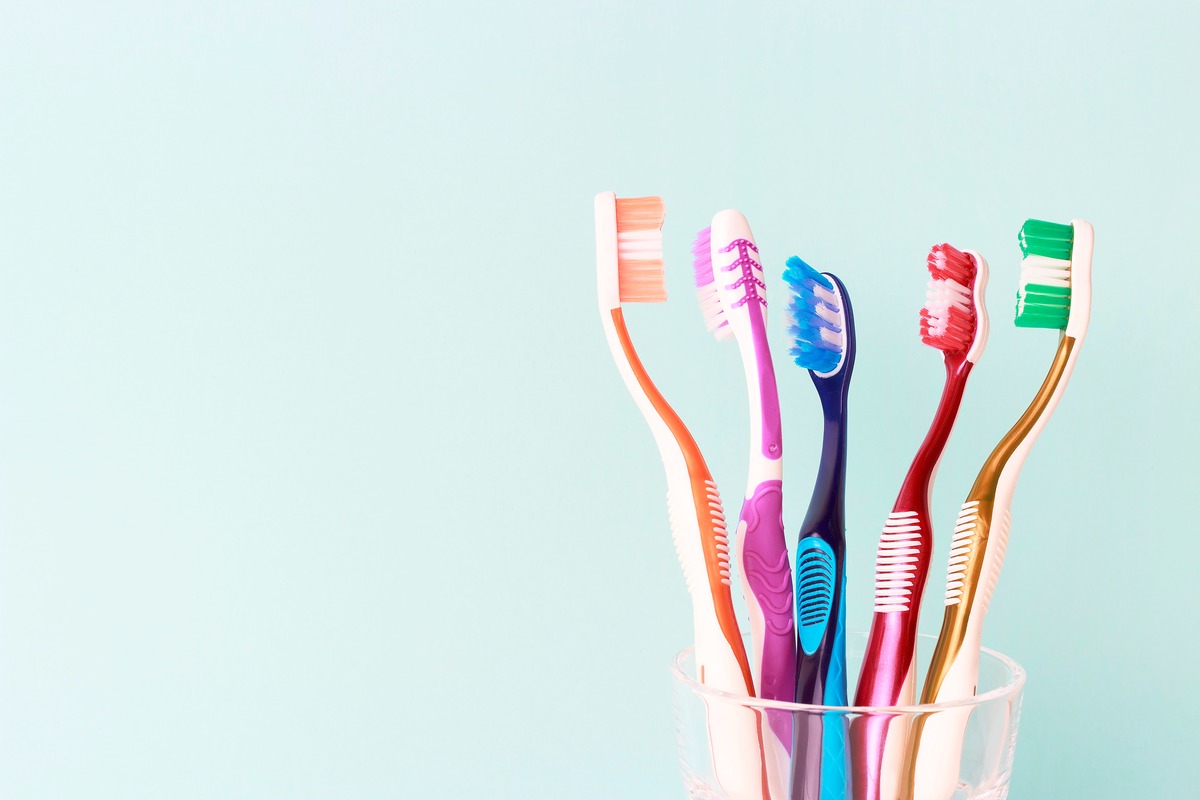
Home care plays a vital role in maintaining results between dental visits. Brushing twice daily, flossing once a day, and using fluoride toothpaste help control bacteria. Replacing your toothbrush every 3 months and cleaning your tongue can also help keep your breath fresher and your gums healthier.
The Connection Between Oral Health and Overall Wellness
Research shows a clear link between oral health and systemic health. Untreated gum disease has been associated with heart disease, diabetes, respiratory infections, and pregnancy complications. Caring for your mouth supports your overall well-being.
How Diet and Lifestyle Choices Influence Tooth and Gum Health
Sugary drinks, acidic foods, and frequent snacking can weaken enamel and feed harmful bacteria. Hydration, balanced nutrition, and limiting sugar intake help protect your teeth. Choosing water over soda and adding calcium-rich foods benefits your teeth and jawbone.
When to Schedule Your Next Routine Dental Appointment
Most people should schedule professional dental cleanings every six months. Individuals with gum disease, sensitivity, or frequent cavities may need more frequent visits. A dentist can recommend a personalised appointment based on your oral health needs. If you live in Sedalia, MO, schedule your routine cleaning and checkup with Hometown Dental to maintain a healthy smile and strong oral foundation for years to come.
FAQs on Maintaining Routine Dental Health
- How often should I schedule routine dental care?
Every six months for most patients. - Do dental cleanings help prevent cavities?
Yes, cleanings remove plaque and tartar that cause decay. - Can routine dental care prevent gum disease?
Yes, regular cleanings and exams protect gum tissue. - Does professional cleaning hurt?
No, the process is gentle and comfortable for most people. - Should children also receive routine dental checkups?
Yes, early preventive care helps avoid future dental issues. - Can diet affect my dental health?
Yes, sugary and acidic foods can increase cavity risk. - What if I have dental anxiety?
Discuss comfort options and gentle care with your dentist.