
By Hometown Dental
Dental implants have become one of the most trusted solutions for replacing missing teeth, offering durability, function, and a natural appearance. But like any dental procedure, they can come with a few temporary side effects. One concern some patients mention is a strange metallic taste after implant placement. in the mouth.
If you’ve experienced a persistent or unusual metallic flavor, it’s natural to feel concerned. The good news is that this sensation is typically temporary and, in most cases, not directly caused by the implant itself. In this article, we’ll explore the possible reasons behind a metallic taste and when it’s important to seek professional dental advice.
Understanding Metallic Taste: What Does It Mean?
A metallic taste medically referred to as dysgeusia can present as a coppery, bitter, or iron-like flavor that lingers even when you’re not eating. This sensation may be mild or more noticeable, and it can occur intermittently throughout the day.
This condition is usually linked to temporary changes in your oral environment rather than a serious problem. Factors like healing tissues, medications, or oral bacteria are far more common causes than the implant material itself.
What Causes a Metallic Taste After Dental Implants?
1. Healing Process and Body Response
Right after the dental implant procedure, your body begins a natural healing process. If you notice a strange taste during this time, it could be related to minor bleeding, inflammation, or tissue repair. It is not unusual for healing tissues to develop a temporary metallic taste.
If the sensation lingers or feels unusual, it is best to consult your dentist to make sure everything is progressing as expected.
2. Metal Sensitivity or Rare Allergic Reaction
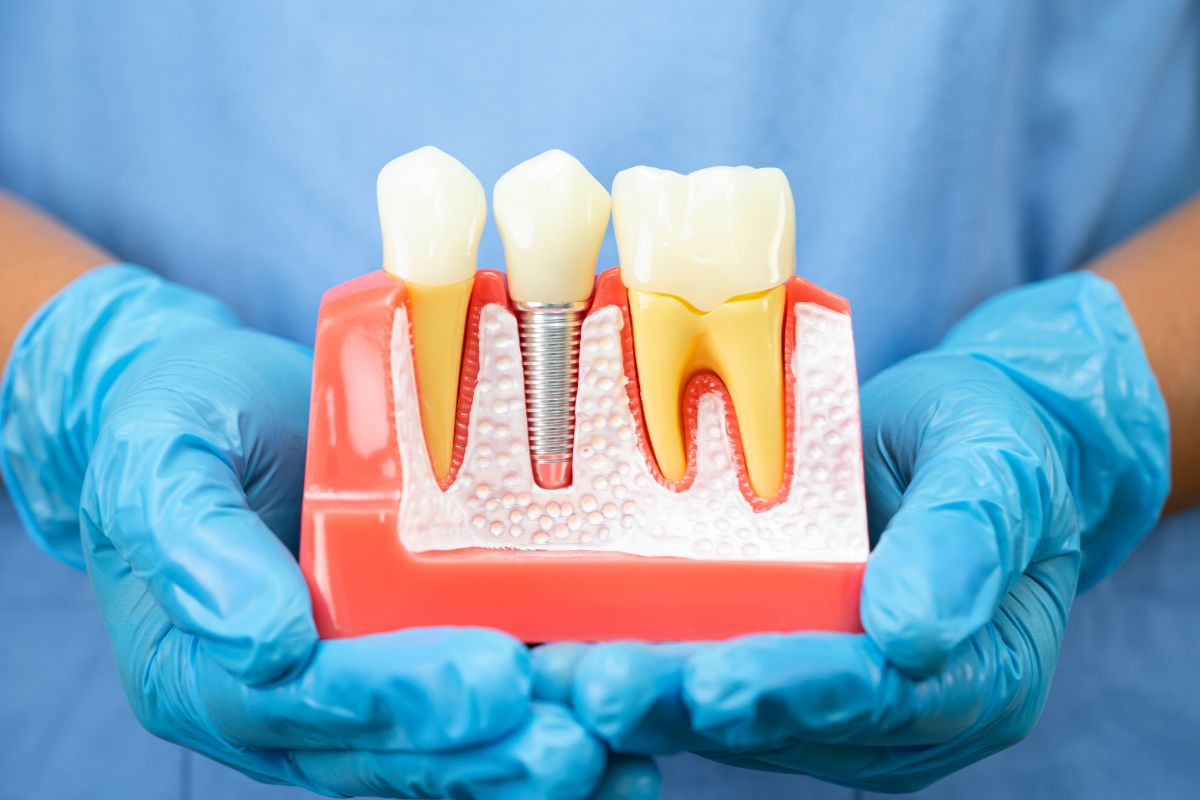
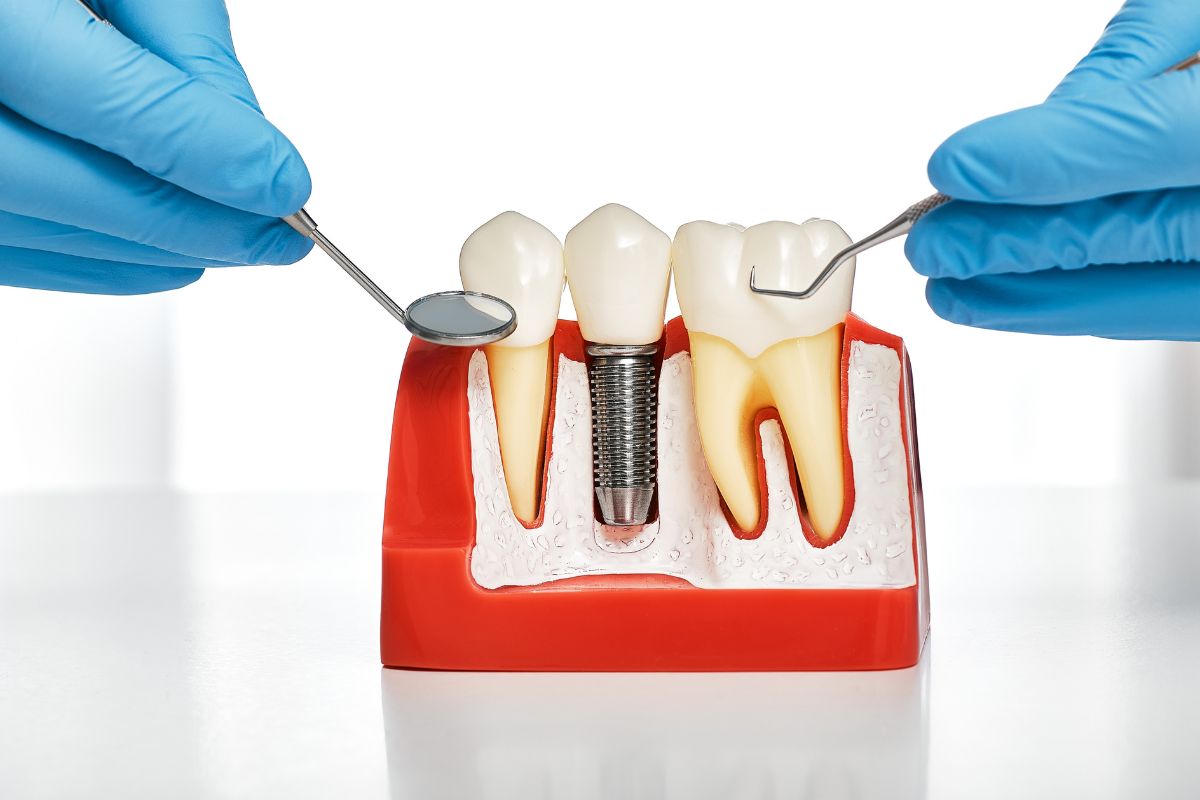
Dental implants are typically made from titanium, a material known for its compatibility with the human body. However, in very rare cases, some people may be sensitive to metals. This can lead to unusual tastes or mild discomfort.
Your dentist can evaluate your symptoms and determine if the material is contributing to the issue or if something else is at play.
3. Oral Hygiene and Bacterial Build Up
A metallic taste is not always related to the implant itself. Sometimes, it is caused by bacteria accumulating around the implant site. Poor oral hygiene can lead to plaque buildup, which may create unpleasant tastes or odors.
Keeping your mouth clean plays a major role in preventing this issue and protecting your investment in your smile.
4. Medications or Dry Mouth
Certain medications prescribed after implant surgery can affect your sense of taste. Antibiotics, pain relievers, or even reduced saliva flow can leave a lingering metallic sensation.
Dry mouth, in particular, can amplify unusual tastes because saliva helps wash away bacteria and maintain a balanced oral environment.
5. Nearby Dental Work or Restorations
If you have other metal-based dental restorations, such as crowns or fillings, there may be a mild material interaction. This can sometimes create a taste sensation, especially if different metals are present in the mouth.
While this is not harmful, it is worth discussing with your dentist if it becomes noticeable.
How Long Does the Metallic Taste Last?
For most patients, any metallic taste experienced after dental implant placement is temporary. It often resolves as the mouth heals, medications are completed, and oral hygiene routines return to normal.
If the sensation continues beyond the typical recovery period, it may indicate another underlying factor unrelated to the implant.
When Should You Be Concerned?
A metallic taste that fades within a few days is usually nothing to worry about. However, if the sensation persists or is accompanied by other symptoms, it may need attention.
Watch for signs like:
- Persistent or worsening taste
- Swelling or discomfort around the implant
- Bad breath that does not improve
- Gum irritation or discharge
These symptoms could indicate an infection or another underlying issue that requires prompt care.
How to Get Rid of the Metallic Taste
Most cases can be managed with simple adjustments and proper care. Staying proactive can make a big difference in how quickly the issue resolves.
- Maintain a consistent oral hygiene routine with gentle brushing and flossing
- Stay hydrated to support saliva production
- Follow all post-procedure instructions provided by your dentist
- Avoid strong mouthwashes unless recommended
- Schedule follow-up visits to monitor healing
If the taste persists, your dentist can identify the root cause and recommend targeted treatment.
Get Trusted Implant Care in Sedalia
If something doesn’t feel right after your implant procedure, it’s always better to have it checked rather than ignore it.
At Hometown Dental, patient comfort and long-term results go hand in hand. Whether it’s a quick follow-up or a detailed evaluation, the team is committed to keeping your recovery on track.
Visit our dental office in Sedalia and let our team guide you toward a healthier, more comfortable smile.
FAQs About Metallic Taste After Dental Implants
1. Can dental implants cause a metallic taste in the mouth?
Experiencing a metallic taste after dental implant placement is uncommon. When it does occur, it is typically temporary and often related to the healing process, medications, or mild inflammation rather than the implant itself.
2. How long does a metallic taste last after dental implants?
In most cases, any unusual taste resolves within a few days to a couple of weeks as the gums and surrounding tissues heal. If the sensation persists, a dental evaluation is recommended.
3. What causes a metallic taste with dental implants?
Possible causes include minor post-surgical bleeding, temporary inflammation, certain medications, or changes in oral hygiene habits. In rare instances, interactions with other metal restorations in the mouth may contribute.
4. Should I be concerned about a metallic taste?
A short-term metallic taste is generally not a cause for concern. However, if it continues or is accompanied by symptoms such as pain, swelling, or discomfort, it is important to seek professional advice.
5. How can I reduce the risk of a metallic taste after implants?
Following proper oral hygiene practices, adhering to post-treatment care instructions, staying well hydrated, and attending regular dental checkups can help minimize the risk of unusual tastes.
6. When should I contact my dentist?
You should reach out to your dentist if the metallic taste persists beyond a few weeks or if it is associated with gum irritation, implant mobility, or ongoing discomfort, to ensure proper healing and implant stability.