

By Hometown Dental
Dental problems rarely happen at a convenient time. Whether you’re enjoying a day at the Missouri State Fairgrounds or spending time with family in Sedalia, sudden tooth pain, swelling, or dental trauma can quickly disrupt your plans. Knowing when a dental issue requires urgent care can protect your dental health and prevent serious complications.
Emergency dental care isn’t just about relieving pain; it’s about preventing infections, saving natural teeth, and avoiding complications that can affect your overall well-being. This guide breaks down the most important warning signs you should never ignore. Learn practical insights that will help you act confidently when the unexpected happens.
Why Immediate Treatment Matters?
Dental emergencies can worsen much faster than many people expect. What may begin as mild discomfort can quickly escalate into a serious infection, permanent tooth damage, or broader health complications if left untreated. Seeking care early often results in simpler procedures, quicker healing, and better long-term oral health outcomes.
Busy schedules, social events, and work commitments can make it tempting to delay treatment. However, when your mouth signals that something is wrong, it’s important to take those signs seriously and act without delay.
When Tooth Pain Signals a Serious Problem
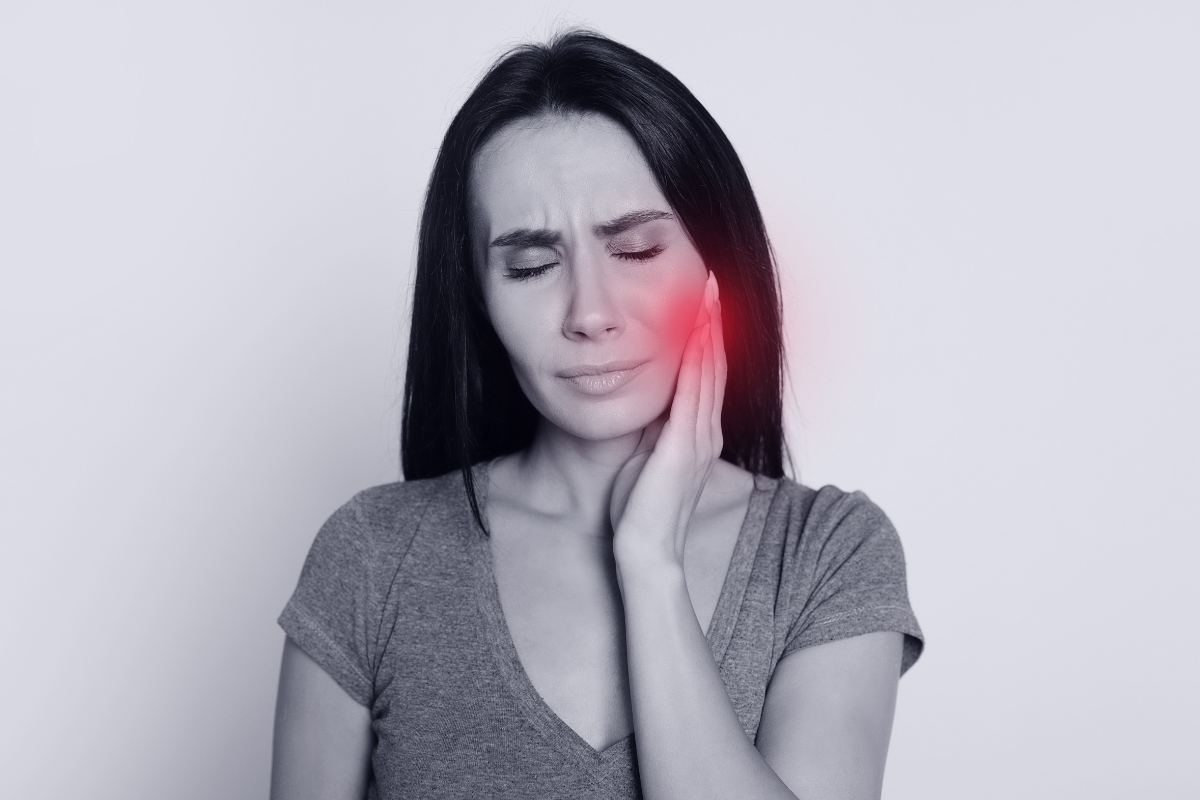
Occasional mild sensitivity to hot or cold foods is common and usually temporary. However, intense, throbbing, or persistent tooth pain is not normal and should never be overlooked. Severe discomfort may indicate advanced decay, infection inside the tooth pulp, or the formation of an abscess beneath the tooth.
Pain that interferes with sleep or radiates to the jaw, ear, or side of the face often suggests a deeper issue requiring immediate professional attention.
What You Can Do Right Away
Start by rinsing your mouth gently with warm salt water to help cleanse the area and reduce irritation. Avoid chewing on the affected side and avoid very hot, cold, or sugary foods, as these may intensify discomfort. If swelling develops, apply a cold compress to the outside of your cheek. Over-the-counter pain medication may temporarily ease symptoms, but it should never replace a dental evaluation. Persistent or worsening pain always requires professional care to prevent further complications.
Swelling in the Gums, Face, or Jaw
Swelling is often a sign that the body is responding to infection or injury. When it occurs around the gums, jaw, or face, it may indicate a dental abscess or an infection spreading beyond the tooth. Untreated oral infections can extend into nearby tissues and, in severe cases, enter the bloodstream, posing serious health risks.
What You Can Do Right Away
Rinse gently with warm salt water to help reduce bacteria and calm irritated tissues. Apply a cold compress to the outside of the face to manage swelling and discomfort. Avoid applying heat, as it can worsen the infection. If swelling is accompanied by fever, increasing pain, tenderness, difficulty opening your mouth, or trouble swallowing, seek immediate dental care. Early treatment is critical to prevent the infection from spreading.
A Cracked, Broken, or Chipped Tooth
Dental injuries can happen unexpectedly, whether from biting into hard food, sports-related accidents, or falls. When a tooth becomes cracked, chipped, or broken, the protective enamel layer may be compromised. This exposure leaves the inner tooth structure vulnerable to pain, infection, and further damage. Even small fractures that seem minor can worsen over time without treatment.
What You Can Do Right Away
Rinse your mouth carefully with warm water to keep the area clean. Avoid chewing on the damaged side to prevent additional stress. If tooth fragments are available, save them and keep them moist if possible. Applying a cold compress externally can help minimize swelling and discomfort. While these steps may provide temporary relief, prompt dental treatment is necessary to protect the tooth and avoid complications.
Bleeding Gums, Infection, and Fever
Ongoing or heavy gum bleeding, along with signs of infection or fever, should never be dismissed. These symptoms may indicate advanced gum disease, a significant infection, or trauma to the soft tissues of the mouth. When an infection progresses, the body may respond with fever, fatigue, and general discomfort, indicating that the issue may be affecting overall health.
Without proper treatment, these symptoms can escalate quickly and increase the risk of serious complications.
What You Can Do Right Away
Gently rinse with warm salt water to help reduce bacteria and soothe the gums. Avoid aggressive brushing or flossing around the affected area, as this can worsen bleeding. Use a cold compress externally to manage swelling, but do not apply heat. Because fever may signal a spreading infection, seek immediate professional dental care. Timely treatment is essential to control infection, stop bleeding, and safeguard both oral and overall health.
A Knocked-Out Tooth
A knocked-out tooth is one of the most urgent dental emergencies. The first hour after the injury is especially critical and can significantly affect whether the tooth can be successfully saved. Acting quickly and correctly improves the chances of successful reattachment.
What You Can Do Right Away
Handle the tooth by the crown (the visible top portion) and avoid contact with the root. If the tooth is dirty, rinse it gently with clean water without scrubbing or removing any attached tissue. If possible, carefully place the tooth back into its socket and hold it in position. If reinsertion is not possible, keep the tooth moist by placing it in milk or by keeping it in the mouth between the cheek and gums. Seek immediate dental care, as timely professional treatment is vital to preserving the tooth and preventing further complications.
How Emergency Dental Visits Help You
Emergency dental visits are designed to address urgent oral health issues quickly and effectively. Whether you’re dealing with sudden pain or unexpected trauma, prompt care can make a significant difference in protecting your smile. Emergency dental treatment focuses on:
- Providing fast and effective pain relief
- Controlling and eliminating infection
- Stabilizing chipped, cracked, or knocked-out teeth
- Preventing serious, long-term complications
Today’s advanced dental techniques prioritize patient comfort, efficient treatment, and the preservation of your natural teeth whenever possible. If you notice severe tooth pain, swelling, bleeding, or dental trauma, it’s important not to delay care. Visiting a trusted emergency dentist in Sedalia can provide immediate relief and help restore your oral health.
Protect Your Teeth with Emergency Care in Sedalia
Dental emergencies can happen without warning, but recognizing the signs allows you to act quickly. Severe discomfort, facial swelling, injury, or uncontrolled bleeding should never be ignored. Seeking professional treatment right away can help prevent further damage and protect your overall oral health.
At Hometown Dental, patients receive timely, compassionate care focused on restoring comfort and confidence. If you’re experiencing a dental emergency, getting immediate professional attention can make all the difference. Contact our dental office today to get immediate action.
FAQs About Dental Emergencies
1. What qualifies as a dental emergency?
Severe pain, swelling, trauma, bleeding, or a knocked-out tooth qualifies as a dental emergency. If you experience any of these, seek immediate care from a local dentist to prevent further complications.
2. Can a cracked tooth be a dental emergency?
Yes, a cracked tooth can be a dental emergency, especially if it causes pain or exposes the inner layers of the tooth. It’s important to see a dentist as soon as possible to avoid infection or further damage.
3. How long can I wait with severe tooth pain?
Severe or persistent tooth pain should be evaluated promptly by a dentist. Delaying treatment can lead to more serious problems, including infection or tooth damage.
4. Is swelling in the gums severe?
Gum swelling often indicates an infection and requires prompt dental care. If you’re experiencing swelling, it’s crucial to consult a dentist right away to prevent the disease from spreading.
5. What should I do if my tooth gets knocked out?
Handle the tooth carefully, keep it moist, and seek immediate dental help. Immediate care increases the chances of saving the tooth, so don’t wait to get professional assistance.
6. Are dental abscesses emergencies?
Yes, dental abscesses are emergencies. They can spread infection and must be treated urgently by a dentist to prevent serious complications, including damage to surrounding teeth or tissues.