
By Hometown Dental
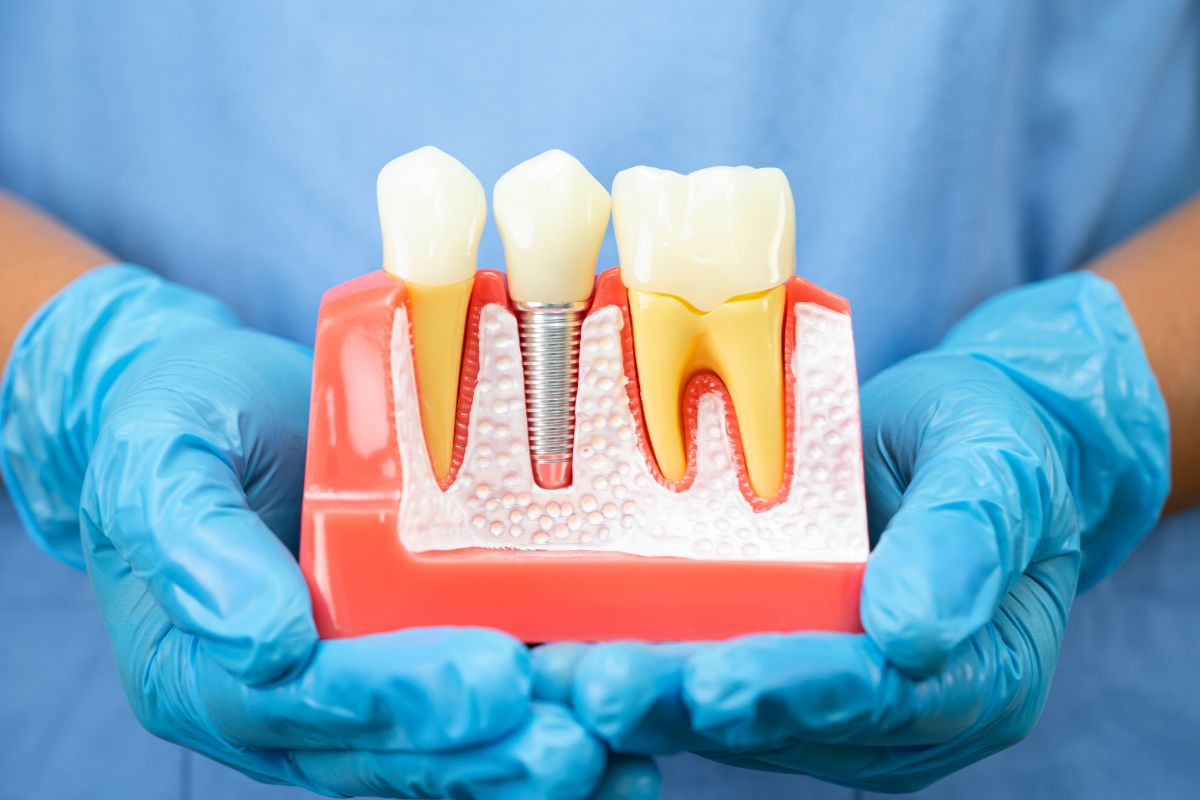
Life in Sedalia can get busy. Between work, family responsibilities, and daily routines, most people do not spend much time thinking about their dental implants after treatment is complete. Dental implants are designed to look, feel, and function like natural teeth, making them one of the most reliable long-term tooth replacement options available today.
However, just like natural teeth, implants still require proper care and attention. Without good oral hygiene and regular dental visits, the gum tissue around an implant can become irritated or inflamed. You may notice redness, tenderness, slight swelling, or bleeding when brushing. These are often early signs of a condition called peri-implant mucositis.
The good news is that peri-implant mucositis is treatable and, in many cases, reversible when caught early. Understanding the condition and recognizing the warning signs can help protect your oral health and preserve the long-term success of your dental implants.
What Is Peri-Implant Mucositis?
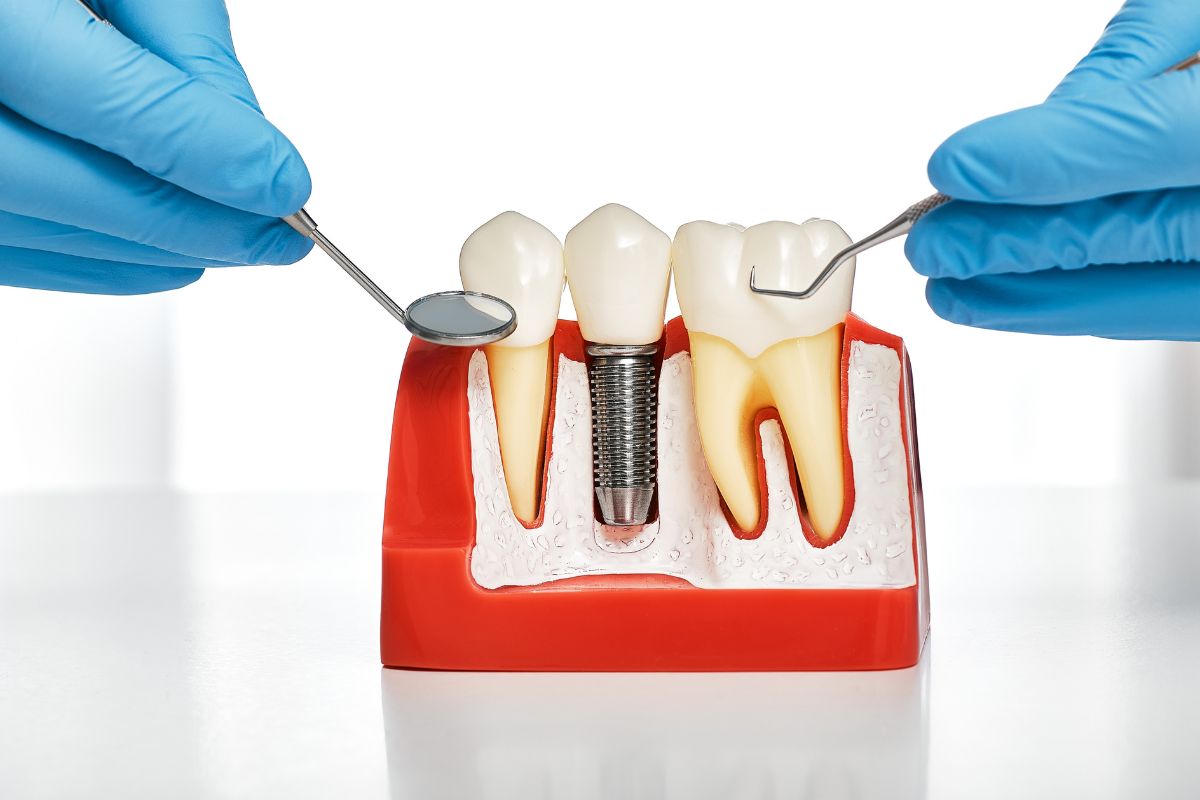
Peri-implant mucositis is an inflammatory condition that affects the soft gum tissue surrounding a dental implant. It is often compared to gingivitis, which affects natural teeth. The inflammation usually develops when plaque and bacteria accumulate around the implant, irritating the surrounding gums.
At this stage, the problem is limited to the soft tissue and has not yet spread to the bone supporting the implant. This is an important distinction because early treatment can stop the condition from progressing into a more serious infection.
Many patients are unaware they have peri-implant mucositis until symptoms become more noticeable. This is why maintaining routine dental visits and practicing consistent oral hygiene are so important for long-term implant success.
Common Signs You Should Not Ignore
Peri-implant mucositis often begins with subtle symptoms that can easily be overlooked. Paying attention to early warning signs can help prevent more serious complications later.
Some of the most common symptoms include:
- Red or swollen gums around the implant
- Bleeding while brushing or flossing
- Tenderness or mild discomfort near the implant
- Persistent bad breath or an unpleasant taste
- Pus or discharge around the gumline
- Gum recession near the implant
- A loose feeling around the implant in advanced cases
If you notice any of these signs, it is important to schedule a dental evaluation promptly. Early intervention can help preserve the health and stability of your implant.
What Causes Peri-Implant Mucositis?
Several factors can contribute to inflammation around dental implants. Understanding the causes can help patients reduce their risk and maintain healthier gums.
Poor Oral Hygiene
The most common cause of peri-implant mucositis is plaque buildup. Bacteria can collect around implants just as easily as they do around natural teeth. If brushing and flossing are inconsistent or ineffective, plaque remains along the gumline and begins irritating the tissue.
Over time, untreated plaque buildup can progress from mild gum inflammation to more advanced implant complications.
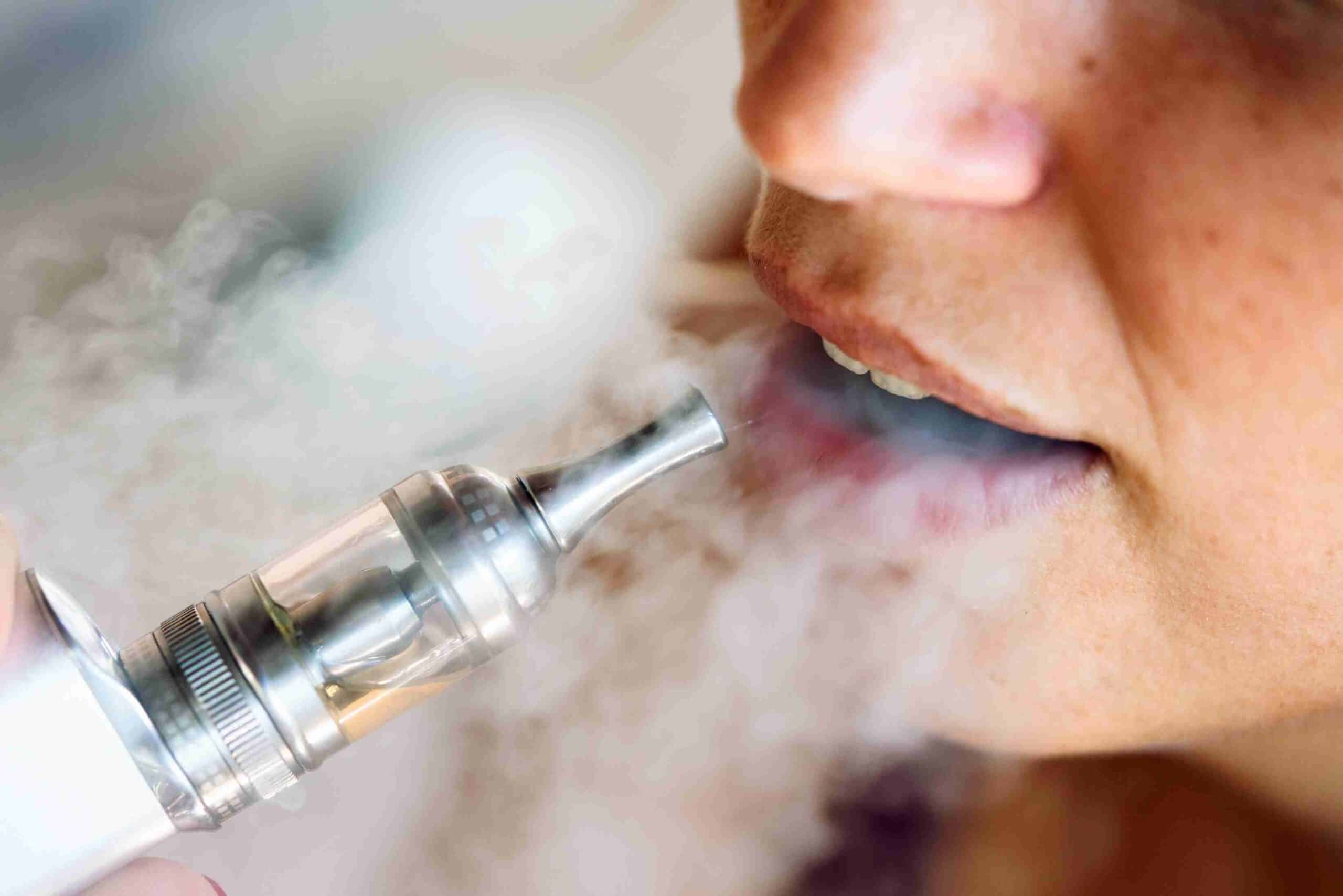
Smoking and Tobacco Use
Smoking affects blood flow to the gums and slows the body’s natural healing process. Tobacco use also increases bacterial growth and weakens the immune system’s ability to fight infection.
Patients who smoke may face a higher risk of developing inflammation around implants and may experience slower recovery after treatment.
Previous Gum Disease
Patients with a history of periodontal disease may be more susceptible to peri-implant mucositis. Prior gum disease can weaken the surrounding tissues and increase the likelihood of bacterial infection around implants.
This does not mean implants are unsafe for these patients, but it does highlight the importance of ongoing professional care and monitoring.
Certain Medical Conditions
Health conditions such as uncontrolled diabetes can affect the body’s ability to heal and fight infection. Patients with weakened immune systems or chronic inflammatory conditions may also face a greater risk of implant-related complications.
Maintaining good overall health can support better long-term implant outcomes.
Why Early Treatment Matters
Ignoring peri-implant mucositis can allow it to progress to peri-implantitis, a more serious infection that affects both the gums and the bone supporting the implant.
Once bone loss begins, treatment becomes more complex and may involve surgical procedures. In severe cases, the implant may fail and require removal.
The encouraging news is that peri-implant mucositis is often reversible when addressed early. Professional care combined with improved oral hygiene habits can restore the gums to a healthier state before permanent damage occurs.
Early treatment plays an essential role in protecting your investment and maintaining long-term oral health.
How Peri-Implant Mucositis Is Treated
Treatment depends on the severity of the inflammation and whether bone loss has occurred. The primary goals are to remove harmful bacteria, reduce inflammation, and protect the implant.
Professional Implant Cleaning
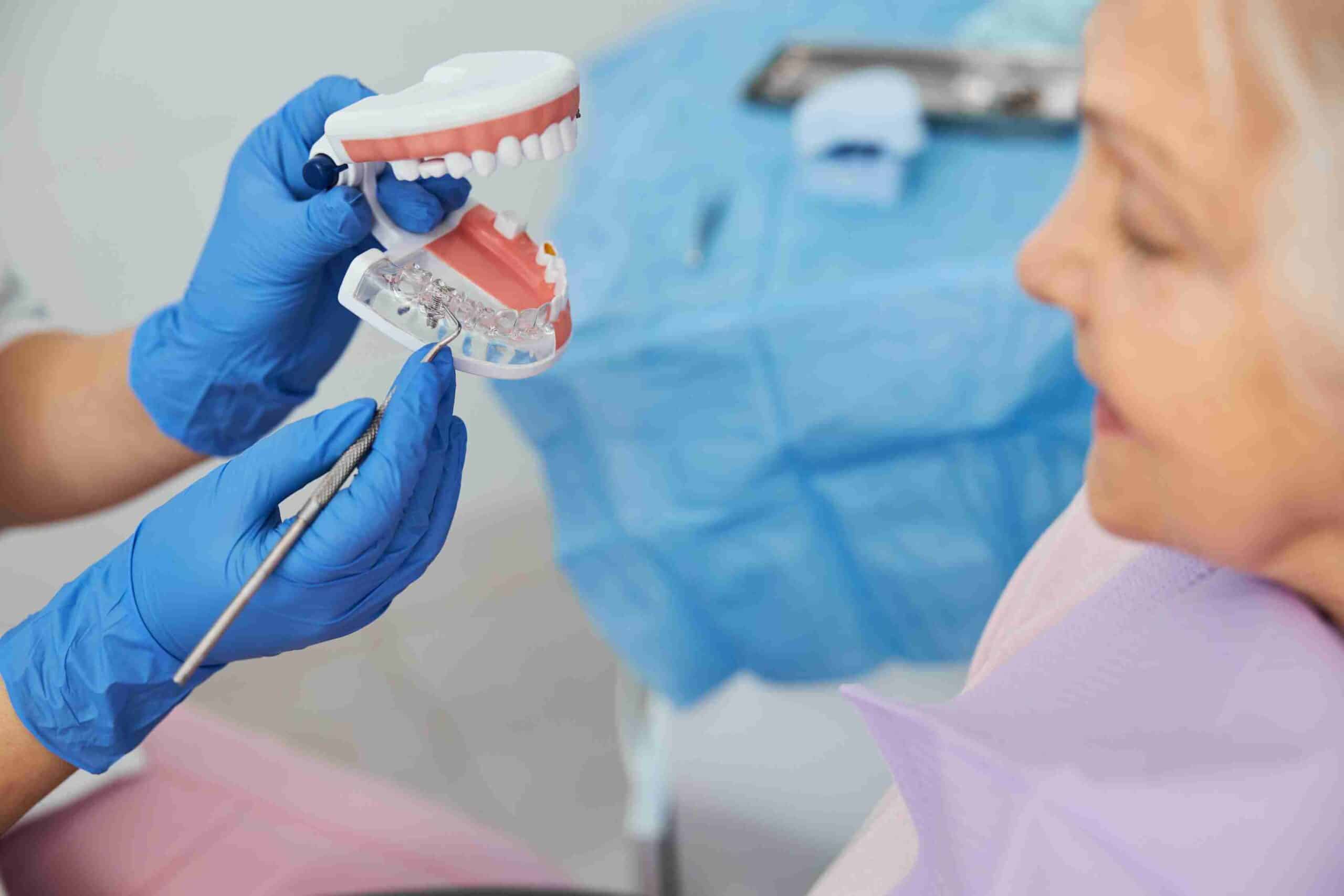
In the early stages, treatment often involves a professional cleaning around the implant. Special instruments are used to remove plaque and bacteria without damaging the implant surface.
This process, sometimes called implant debridement, helps reduce irritation and allows the gum tissue to heal.
Improved At-Home Oral Hygiene
Patients are usually advised to improve their daily oral hygiene routine. Your dentist may recommend:
- Brushing twice daily with a soft-bristle toothbrush
- Using floss or interdental cleaning tools around implants
- Antimicrobial mouth rinses
- Water flossers for better plaque removal
Consistent home care is essential for preventing future inflammation.
Antimicrobial Therapy
In some cases, localized antibiotics or antibacterial rinses may be used to reduce bacterial growth around the implant.
These therapies are often combined with professional cleaning and improved hygiene practices for better results.
Surgical Treatment for Advanced Cases
If the infection has progressed and bone loss is present, surgical treatment may be necessary. This allows the dentist to access the affected area more directly, remove infected tissue, and clean the implant thoroughly.
Some patients may also require bone grafting procedures to rebuild lost bone support and improve implant stability.
Every treatment plan is customized based on the patient’s specific condition and oral health needs.
The Importance of Preventive Implant Care
Dental implants can last for many years with proper maintenance. Preventing peri-implant mucositis begins with consistent daily habits and regular dental visits.
Here are a few important ways to protect your implants:
- Brush your teeth and implants twice daily
- Floss or clean between teeth every day
- Schedule regular dental checkups and professional cleanings
- Avoid smoking and tobacco products
- Maintain a healthy diet and lifestyle
- Address gum inflammation early before it worsens
Preventive care is always easier and more affordable than treating advanced implant complications.
When Should You See a Dentist?
Many people assume mild gum irritation around an implant will improve on its own. However, delaying treatment can allow inflammation to progress.
If you notice bleeding, swelling, tenderness, or changes around your implant, it is best to schedule a dental appointment as soon as possible.
Routine dental visits are equally important, even when you are not experiencing symptoms. Professional examinations and cleanings help identify early warning signs before serious damage occurs.
Protect Your Dental Health with Expert Implant Care
Peri-implant mucositis may sound complicated, but it is a manageable and often reversible condition when treated early. Recognizing the warning signs, maintaining excellent oral hygiene, and staying consistent with dental checkups can help protect your dental implants for years to come.
At Hometown Dental, we are committed to helping patients maintain healthy gums, strong implants, and confident smiles. Whether you are experiencing symptoms related to an implant or want to stay proactive about your oral health, our team is here to help.
Contact our Sedalia dental office today for your implant evaluation and protect your dental health with personalized care.
FAQs About Peri-Implant Mucositis
1. What is the difference between peri-implant mucositis and peri-implantitis?
Peri-implant mucositis affects only the gum tissue surrounding the implant and is typically reversible. Peri-implantitis is a more advanced condition that includes bone loss around the implant and may require more extensive treatment.
2. Can peri-implant mucositis heal on its own?
In most cases, professional treatment and improved oral hygiene are needed to remove bacteria and allow the gums to heal properly.
3. Is peri-implant mucositis painful?
The condition is often mild in its early stages. Many patients notice redness, swelling, or bleeding rather than significant pain.
4. How long does treatment take?
Treatment timelines vary depending on the severity of the inflammation and how quickly treatment begins. Many patients experience improvement within a few weeks after professional care and better oral hygiene.
5. Can dental implants fail because of peri-implant mucositis?
If left untreated, peri-implant mucositis can progress into peri-implantitis, which may lead to bone loss and implant failure over time.
6. How can I prevent peri-implant mucositis?
The best prevention includes daily brushing and flossing, routine dental cleanings, avoiding tobacco products, and scheduling regular dental checkups.
7. When should I contact a dentist about implant concerns?
You should schedule an appointment if you notice bleeding, swelling, discomfort, or changes around your implant. Early treatment can prevent more serious complications later.