
By Hometown Dental
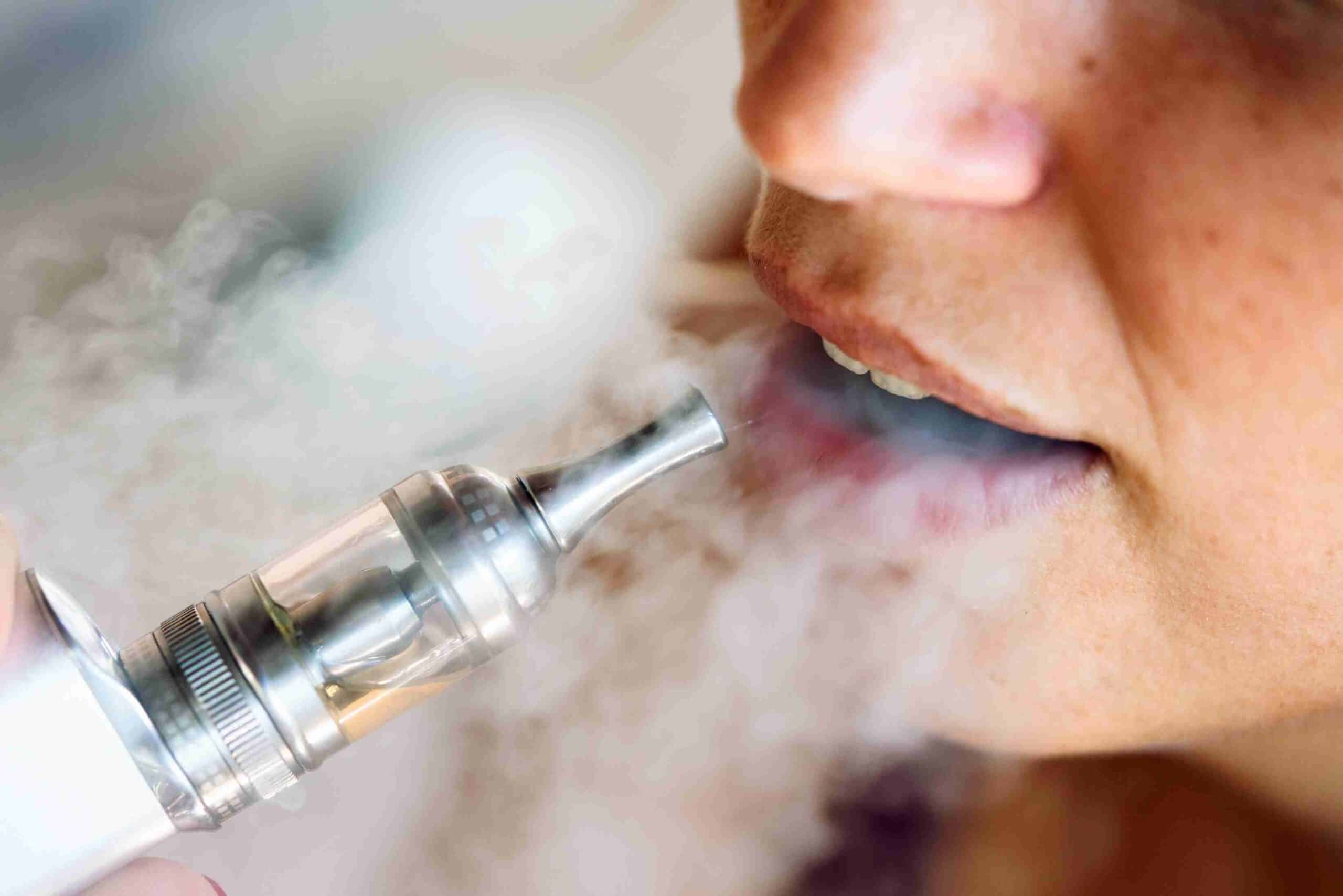
If you’re considering a dental implant and vape regularly, you may be wondering whether you really need to stop. After all, vaping is often viewed as different from smoking. But when you’re preparing for dental implant treatment, the more important question is not simply whether vaping is “safer” than cigarettes.
It’s this:
Could vaping interfere with the healing process your dental implant depends on?
Current research suggests that vaping may negatively affect the tissues around dental implants, although the evidence is not as extensive as the research on conventional cigarette smoking. For patients in Sedalia, MO, the safest approach is to discuss vaping honestly with your dentist before implant treatment rather than waiting until after surgery.
Why Does Healing Matter After a Dental Implant?
A dental implant doesn’t simply sit inside your jaw.
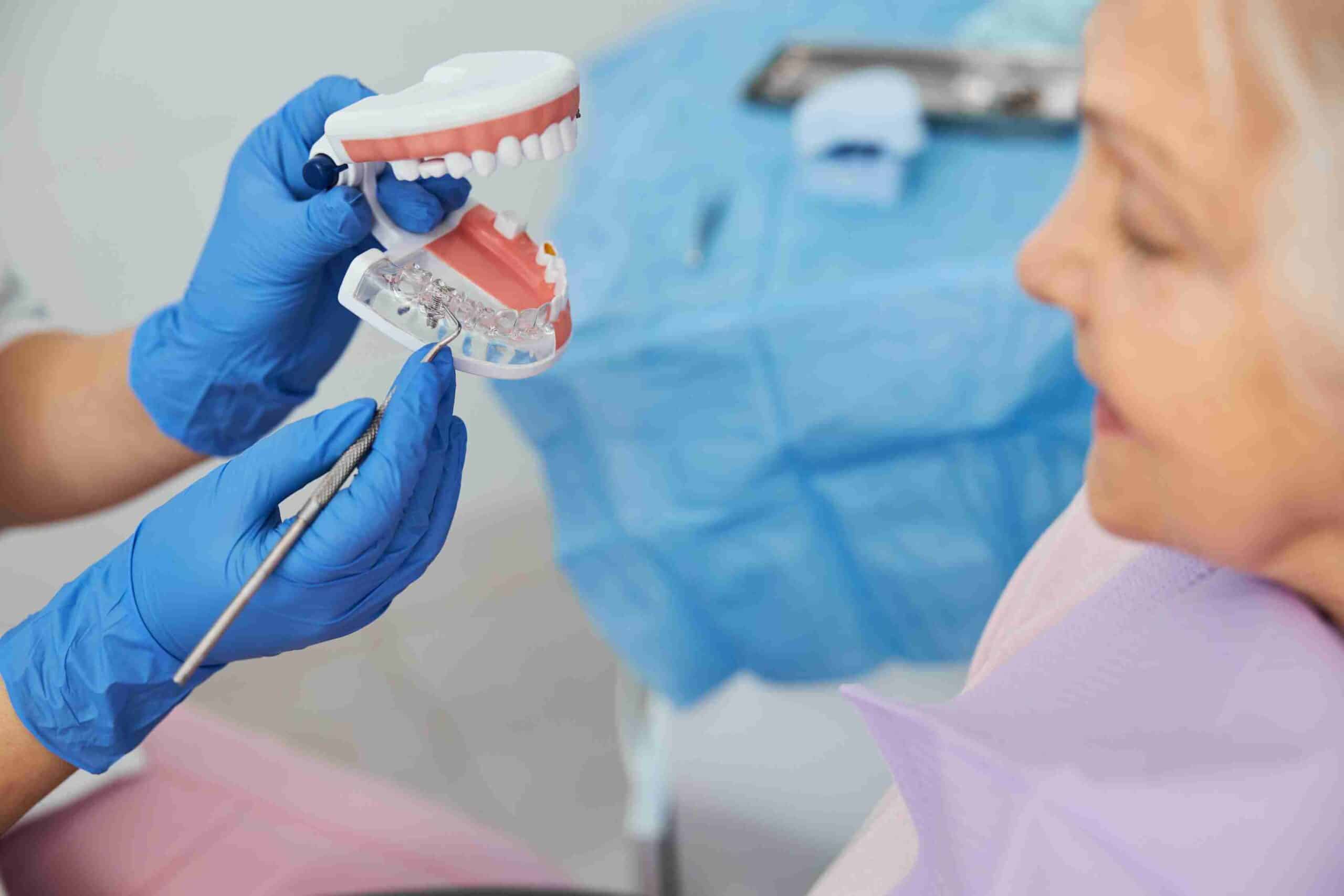
After placement, the implant needs to become integrated with the surrounding bone through a process called osseointegration. Hometown Dental explains that dental implant treatment involves placing the implant post into the jawbone, allowing the area to heal and undergo osseointegration, and then attaching the replacement tooth.
That healing period is critical.
Anything that interferes with blood flow, tissue repair, bone formation, or the health of the gums around the implant could potentially affect the outcome. This is where vaping becomes relevant.
Can Vaping Affect Dental Implant Healing?
Emerging evidence suggests that e-cigarette use may negatively affect peri-implant health and healing, although the evidence is still more limited than the evidence for traditional smoking.
A 2025 systematic review and meta-analysis evaluating cigarette smoking, waterpipe smoking, and e-cigarette vaping found detrimental effects across these modalities, including bone loss, plaque accumulation, and inflammation around implants. The researchers reported the strongest negative effects with cigarettes, followed by waterpipe and e-cigarette use, while emphasizing that vaping research remains limited. That doesn’t mean every person who vapes will experience implant failure. It does mean vaping should not be treated as irrelevant when you’re preparing for implant surgery.
What Role Does Nicotine Play?
If your vape contains nicotine, that’s another important consideration. Nicotine can cause blood-vessel constriction, which may affect blood flow to healing tissues. Researchers have also investigated nicotine’s effects on bone formation and implant integration.
A systematic review and meta-analysis of eight preclinical studies found a statistically significant difference in bone-to-implant contact associated with nicotine exposure. The authors concluded that nicotine appeared to affect osseointegration, although these findings came primarily from animal research rather than human clinical trials.
More recent research continues to identify nicotine as a potential concern for bone healing, while also emphasizing that human studies isolating nicotine from tobacco or vaping remain limited. So the responsible conclusion isn’t:
“Nicotine guarantees implant failure.”
It’s:
“Nicotine may create biological conditions that are unfavorable to optimal bone healing, so minimizing exposure around implant treatment is prudent.”
Is Vaping Better Than Smoking for Dental Implants?
This question comes up frequently. The answer requires some nuance.
Traditional cigarettes expose the mouth and body to thousands of chemicals produced through combustion, and smoking is a well-established risk factor for poor oral and implant outcomes. Vaping generally involves a different aerosol and chemical profile.
But different does not mean harmless.
The 2025 systematic review found that e-cigarette use was associated with adverse peri-implant outcomes, although the evidence base was smaller than for conventional smoking. Therefore, switching from cigarettes to vaping should not be interpreted as making vaping safe for implant healing.
If your goal is to give an implant the best possible environment for healing, reducing or eliminating nicotine exposure is a more meaningful target than simply changing the delivery method.
What About Nicotine-Free Vaping?
A nicotine-free vape removes one major concern, but it doesn’t automatically make vaping ideal during implant recovery. Vaping aerosols can contain substances other than nicotine, and research into their effects on oral tissues and peri-implant health is still developing. For that reason, don’t assume that a “0% nicotine” label means there is no potential impact on healing. Your dental team should know what you are using and how frequently.
Can Vaping Increase the Risk of Implant Failure?
Vaping has not been proven to cause dental implant failure in every user.
Implant outcomes depend on multiple factors, including:
- Bone quality
- Gum health
- Oral hygiene
- Implant position
- Surgical technique
- Medical conditions
- Smoking or nicotine exposure
- Healing and aftercare
- Long-term implant maintenance
Vaping is therefore one potential risk factor, not the only one.
A patient who vapes but has excellent bone quality and healthy gums is not automatically in the same situation as someone who also has untreated periodontal disease, poor oral hygiene, and significant bone loss. That is why individualized implant planning matters.
Why Do Healthy Gums Matter Before an Implant?
Your implant needs healthy tissues around it.
Active gum disease can damage the bone supporting natural teeth and create an unfavorable environment for implant treatment. Hometown Dental provides dedicated gum disease treatment in Sedalia and emphasizes early identification of gingivitis and periodontal disease to help prevent more advanced damage.
If you vape and have bleeding, swollen, receding, or tender gums, address those issues before assuming you’re ready for an implant. Your dentist may recommend periodontal treatment before implant placement.
Should You Stop Vaping Before Dental Implant Surgery?
Do not wait until the day of surgery to discuss vaping.
Your dentist needs to know whether you smoke, vape, use nicotine pouches, or use other nicotine products. Depending on your situation, your dental team may recommend stopping nicotine and vaping before surgery and continuing to avoid them throughout the healing period.
The exact timeline should come from your implant provider because it can depend on the procedure, bone grafting, medical history, and individual healing risk. If stopping nicotine is difficult, tell your healthcare providers rather than hiding your use.
The goal is to improve your chances of a predictable recovery.
What If You Already Had an Implant Placed?
If you’ve already undergone implant surgery and have vaped, don’t assume the implant has failed. Instead, monitor the surgical area and follow your dentist’s postoperative instructions.
Contact your dental office if you develop:
- Increasing pain
- Persistent swelling
- Bleeding that doesn’t improve
- Pus or drainage
- Fever
- A bad taste or odor
- Increasing tenderness
- An implant that feels loose
- Changes in the gum around the implant
Hometown Dental also provides treatment for peri-implant mucositis, an inflammatory condition affecting tissues around dental implants. Early evaluation is preferable to waiting for a problem to become severe.
How Is Implant Healing Monitored in Sedalia?
Implant planning shouldn’t rely on appearance alone.
Hometown Dental offers 3D Cone Beam Computed Tomography, which creates three-dimensional images of dental structures, bone, soft tissues, and nerve pathways and can assist with precise implant planning.
That technology can help the dental team evaluate the available bone and plan implant placement more precisely. Your vaping or nicotine history is another piece of the overall picture.
Together, these factors help your dentist determine whether an implant is appropriate and how treatment should be planned.
What Should Sedalia, MO Patients Do Before Implant Treatment?
If you’re considering dental implants in Sedalia, Pettis County, or nearby communities, be upfront about vaping during your consultation.
At Hometown Dental, dental implant treatment includes placement, healing and osseointegration before the final restoration is attached. The practice also offers 3D imaging for implant planning and periodontal care when gum disease needs to be addressed.
Before your procedure, ask:
- Should I stop vaping before implant surgery?
- How long should I avoid nicotine afterward?
- Do I need a gum-health evaluation first?
- Is bone grafting necessary?
- How will my implant healing be monitored?
- What should I do if I struggle to stop vaping?
If you’re planning an implant, schedule an appointment before treatment begins so your dentist can evaluate your teeth, gums, bone and overall risk factors.
You can also meet our doctors and discuss your implant treatment plan directly with the Hometown Dental team.
The Bottom Line
Vaping may affect dental implant healing, particularly when nicotine is involved, but current evidence does not mean that every person who vapes will experience implant failure.
The research is strongest for smoking and more limited for vaping. However, a 2025 systematic review found adverse peri-implant effects associated with e-cigarette use, including inflammation, plaque accumulation and bone-related changes.
Nicotine is also a concern because research suggests it can interfere with processes involved in bone healing and implant integration, although much of the direct evidence comes from preclinical studies. If you’re preparing for dental implant treatment, the practical approach is simple:
Tell your dentist that you vape.
Don’t assume vaping is harmless because there is no cigarette smoke. Don’t assume one or two uses automatically mean your implant will fail, either. Give your implant the best possible environment for healing by following your dental team’s instructions, maintaining excellent oral hygiene, and discussing a plan to eliminate or minimize nicotine and vaping during treatment.
Frequently Asked Questions (FAQ’s)
Can vaping affect dental implant healing?
Yes, emerging research suggests e-cigarette use may negatively affect peri-implant inflammation, bone health and healing, although evidence is more limited than for conventional smoking.
Does nicotine increase the risk of dental implant problems?
Nicotine may negatively affect bone healing and osseointegration, although much of the direct evidence comes from preclinical rather than human studies.
Should I stop vaping before getting a dental implant?
Patients considering implants should discuss vaping with their dentist, who can recommend an appropriate cessation or reduction timeline based on the planned procedure and individual risk factors.
Is vaping safer than smoking after dental implant surgery?
Vaping may expose patients to fewer combustion products than cigarettes, but current evidence does not establish vaping as safe for implant healing. E-cigarette use has been associated with adverse peri-implant outcomes in emerging research.
What happens if I vape after getting a dental implant?
Vaping may expose healing tissues to nicotine and other aerosol components that could interfere with an optimal healing environment, so patients should follow their implant provider’s instructions and avoid vaping when advised.