
By Hometown Dental
If you’re taking Ozempic, Wegovy or Zepbound and have noticed changes in your mouth, you may be wondering whether the medication is responsible. Maybe your mouth feels unusually dry. Maybe you’ve experienced more reflux or vomiting. Or perhaps you’re planning a dental implant and are concerned that a GLP-1 medication could affect healing.
These are reasonable questions.
The important distinction is that Ozempic, Wegovy and Zepbound have not been proven to directly damage gums or cause dental implant failure. However, the medications can create indirect changes that may matter for oral health and dental treatment.
For patients in Sedalia, MO, knowing the difference between a direct medication effect and an indirect oral-health concern can help you make better decisions about your dental care.
What Are Ozempic, Wegovy and Zepbound?
Ozempic and Wegovy contain semaglutide. Zepbound contains tirzepatide, which acts on both GLP-1 and GIP pathways.
These medications can affect appetite, blood sugar regulation, digestion and body weight. Because they influence the digestive system and food intake, some of their effects can also show up in the mouth.
A 2026 review in the Canadian Journal of Diabetes identified several potential oral-health considerations associated with semaglutide, including dry mouth, bad breath, reflux, vomiting, altered taste and nutritional changes. That doesn’t mean everyone taking these medications will develop dental problems.
It means dentists should know when a patient is taking them.
Can Ozempic Cause Gum Disease?
There is currently no strong evidence that semaglutide directly causes gum disease. In fact, the relationship can be more complicated. For some patients, better blood-sugar control may support overall health, including periodontal health.
At the same time, medication-related dry mouth, dehydration, dietary changes or difficulty maintaining adequate nutrition may create conditions that make oral problems more likely. The 2026 dental review specifically found no published evidence of a direct pharmacologic effect of semaglutide on enamel, dentin, pulp or the periodontal ligament. So if your gums become swollen or bleed after starting a GLP-1 medication, don’t automatically assume the medication is the cause. Plaque buildup, gingivitis, periodontal disease, smoking, oral hygiene and other factors may be involved.
A dental examination can determine what’s actually happening.
How Could GLP-1 Medications Indirectly Affect Your Mouth?
Several medication-related effects are relevant to dental health.
Dry mouth
- Reduced saliva can make the mouth feel sticky or uncomfortable.
- Saliva normally helps lubricate oral tissues, clear food debris and buffer acids.
- Persistent dry mouth can therefore increase the risk of cavities and oral discomfort.
Reflux and vomiting
- Repeated exposure to stomach acid can contribute to enamel erosion.
- This doesn’t mean a single episode of nausea or vomiting will damage your teeth.
- The concern is repeated exposure over time.
Reduced food and fluid intake
- Appetite suppression can cause some patients to eat and drink substantially less.
If hydration or nutritional intake becomes inadequate, that can become relevant to overall health and recovery from dental procedures.
Altered eating patterns
- Changes in what and how often you eat can also affect your exposure to sugars and acids.
These indirect factors are why GLP-1 medication history can be useful information for your dentist.
Can Ozempic, Wegovy or Zepbound Affect Dental Implants?
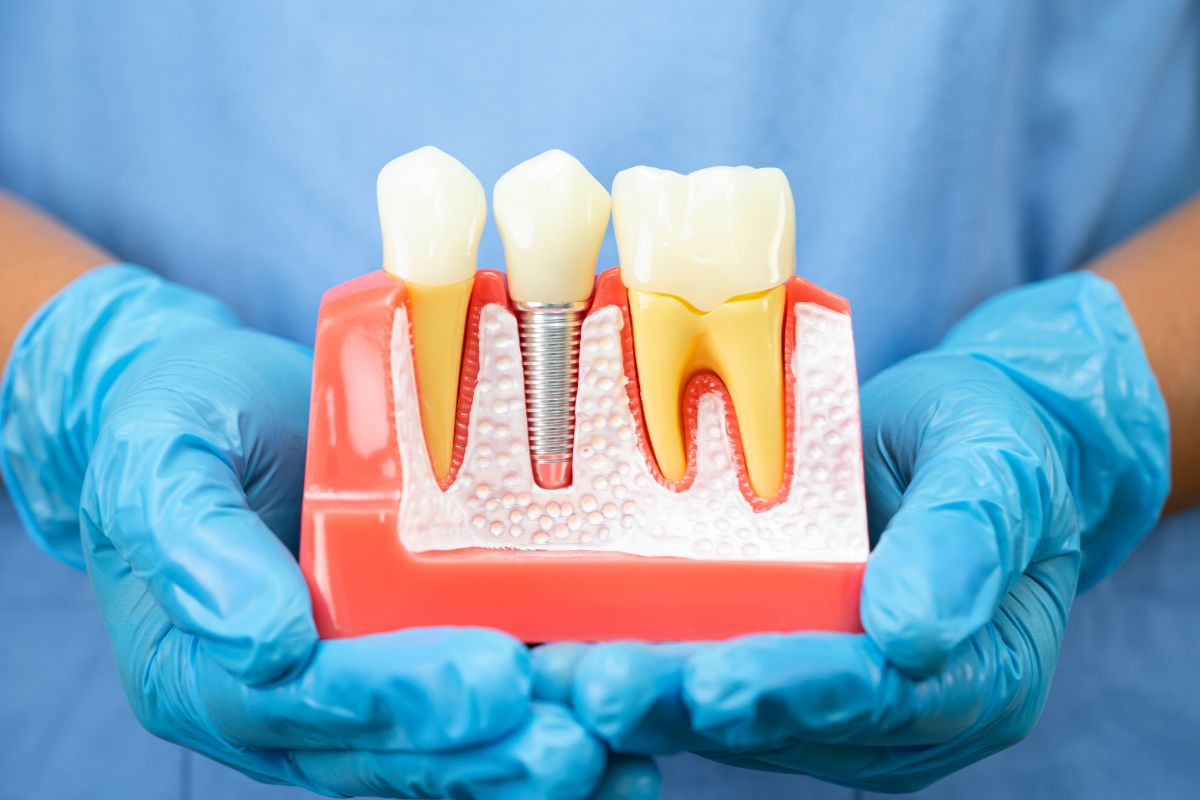
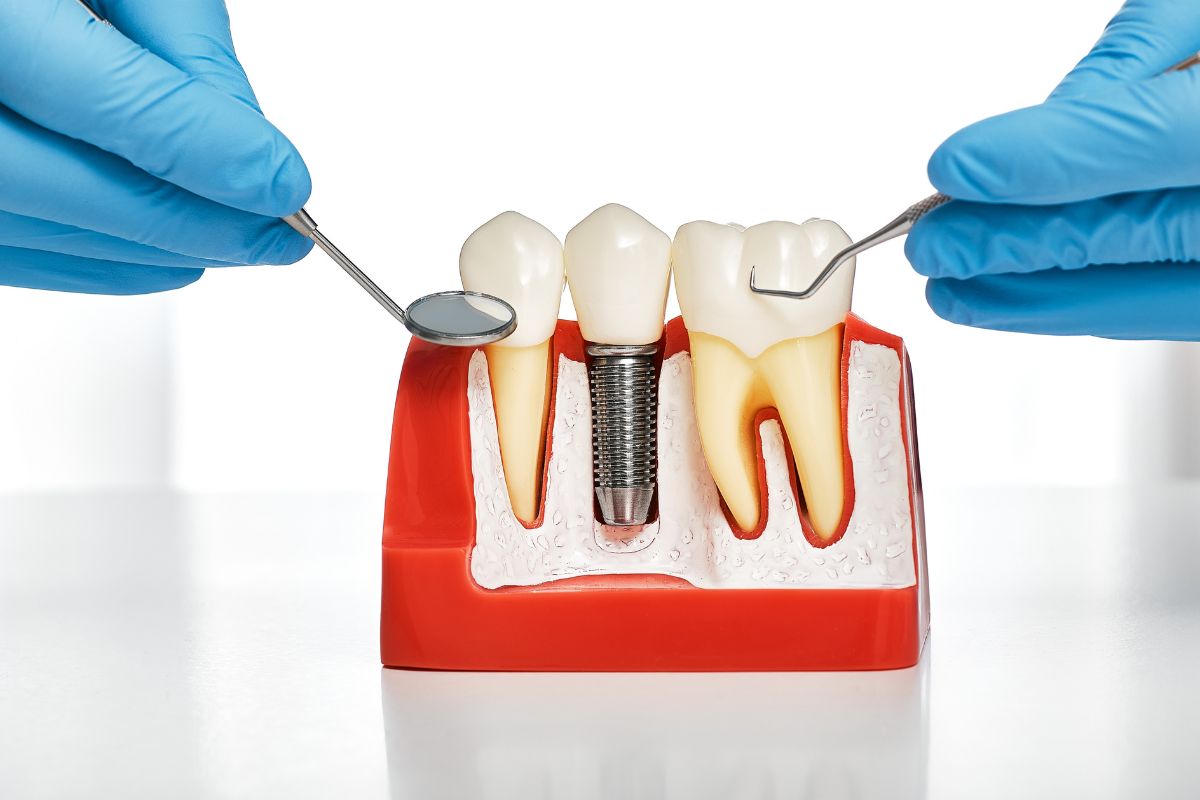
There is currently insufficient evidence to say that these medications directly cause dental implant failure. A dental implant depends on healthy bone and soft tissue, along with proper healing and maintenance. Hometown Dental explains that its implant process includes placement of the implant post into the jawbone, a healing period during which osseointegration occurs, and placement of the final artificial tooth.
That means anything affecting your overall ability to heal or maintain healthy oral tissues may be relevant to treatment planning. But that is different from saying:
“Ozempic cause dental implants to fail.” Current evidence does not establish that claim.
Why Does Nutrition Matter During Implant Healing?
Your body needs adequate nutrients and hydration to support normal tissue repair. GLP-1 medications can significantly reduce appetite. If you’re struggling to consume enough food, protein or fluids, tell your healthcare provider and dentist. This is particularly important if you’re preparing for implant surgery or recovering from a procedure. The goal isn’t necessarily to stop the medication.
The goal is to make sure your dental team understands your current medical situation and can coordinate appropriately with your prescribing clinician.
What About the Jawbone Around an Implant?
Bone is a major part of implant treatment. The implant must integrate with the surrounding jawbone to provide a stable foundation for the restoration.
Hometown Dental notes that bone health and adequate jawbone structure are important considerations when planning implant treatment. Its 3D cone-beam CT technology is used to evaluate dental structures and bone and assist with precise implant planning. There is ongoing interest in whether substantial weight loss and changes in bone metabolism could influence implant-related outcomes.
However, this is an emerging area of research, not evidence that GLP-1 medications automatically make someone a poor implant candidate.
Your dentist should evaluate your individual bone, gum and medical status rather than making a decision based solely on the medication name.
What If You Already Have a Dental Implant?
If you already have an implant, don’t panic because you’re taking Ozempic, Wegovy or Zepbound.
Instead, pay attention to changes around the implant.
Contact your dentist if you notice:
- Redness around the implant
- Swelling
- Bleeding
- Persistent tenderness
- Bad taste or odor
- Pain when chewing
- Loosening
- Changes in the gumline
These symptoms can have several causes.
Hometown Dental explains that inflammation around an implant can develop into peri-implant mucositis, and untreated inflammation can potentially progress to peri-implantitis.
That makes regular implant maintenance important regardless of whether you’re taking a GLP-1 medication.
Should You Stop Ozempic Before Dental Implant Surgery?
Do not stop a prescribed GLP-1 medication on your own.
Your dentist, physician or prescribing healthcare professional should determine whether any medication changes are appropriate. GLP-1 medications can slow gastric emptying, which can also be relevant when sedation or anesthesia is planned.
Tell your dental team:
- The medication you’re taking
- Your current dose
- How long you’ve been taking it
- When you last took it
- Any nausea or vomiting
- Any reflux
- Recent significant weight loss
- Other medications you take
- Any medical conditions your dentist should know about
That information can help your dental team plan appropriately.
What If You Have Gum Disease and Need Implants?
Treating active gum disease is an important part of implant planning. Hometown Dental’s gum-disease service focuses on identifying and treating gingivitis and periodontitis before they progress and potentially contribute to tooth loss. If your gums are bleeding, swollen or receding, don’t assume the problem is simply a side effect of Ozempic, Wegovy or Zepbound. You may have an underlying periodontal issue that needs treatment.
Healthy gums and adequate bone provide a better foundation for implant treatment.
What Should Sedalia, MO Patients Do?
If you’re taking a GLP-1 medication and you’re considering dental implants, the best approach is to tell your dentist before treatment begins.
At Hometown Dental, dental implants are offered in Sedalia, including traditional implants, implant-supported dentures and full-mouth solutions. The practice also uses 3D cone-beam imaging to assist with implant planning. For patients in Sedalia, Pettis County and nearby communities, that means your medication history can be considered alongside your gums, teeth, jawbone and overall treatment needs.
If you’re experiencing gum bleeding, persistent dry mouth, unusual sensitivity or changes around an existing implant, schedule an appointment rather than waiting for the problem to become painful.
You can also meet our doctors, including Dr. Patrick Lancaster and Dr. Eric Etheridge, and discuss your oral-health or implant concerns.
How Can You Protect Your Oral Health While Taking a GLP-1 Medication?
You don’t necessarily need to change your medication because of dental concerns. Instead, focus on the factors you can control.
Stay adequately hydrated
If you’re experiencing dry mouth or drinking less because of reduced appetite, discuss the issue with your healthcare provider.
Maintain daily oral hygiene
Brush twice daily and clean between your teeth to control plaque around the gumline.
Don’t ignore gum bleeding
Bleeding gums can be an early sign of gingivitis or periodontal disease.
Address repeated vomiting or reflux
If these symptoms are frequent, tell your prescribing clinician and dentist.
Keep regular dental visits
Routine examinations allow your dentist to identify cavities, gum inflammation and other problems early.
Protect existing implants
Even an implant that has healed successfully still requires regular cleaning and professional monitoring.
The Bottom Line
Ozempic, Wegovy and Zepbound are not currently proven to directly damage gums or cause dental implant failure. The more relevant concern is indirect.
Dry mouth, reflux, vomiting, reduced food and fluid intake, nutritional changes and other medication-related effects can influence the oral environment. Current dental literature recommends that clinicians remain aware of these potential effects as GLP-1 medication use continues to increase. If you’re considering dental implants, that doesn’t automatically mean you need to stop your medication or postpone treatment.Instead, your dentist should know you’re taking it.
At Hometown Dental, implant planning can include evaluation of your gums, jawbone and dental structures, with 3D cone-beam imaging available for implant planning when appropriate.
The goal isn’t to choose between your medication and your dental health. It’s to make sure both are considered when planning your care.
Frequently Asked Questions (FAQ’s)
Can Ozempic cause gum disease?
There is currently no strong evidence that Ozempic directly causes gum disease, although dry mouth, reflux, vomiting and nutritional changes may indirectly affect oral health.
Can Wegovy affect dental implants?
Wegovy has not been proven to directly cause dental implant failure, but factors such as hydration, nutrition, gum health and overall medical status may be relevant to implant planning.
Can Zepbound damage your gums?
Zepbound has not been established as a direct cause of gum disease, but GLP-1/GIP medication effects such as dry mouth, gastrointestinal symptoms and dietary changes may indirectly influence oral health.
Should I stop Ozempic before getting dental implants?
Do not stop Ozempic or another prescribed GLP-1 medication without guidance from the clinician prescribing it and the dental team performing your treatment.
Can I get dental implants while taking a GLP-1 medication?
Many patients may still be candidates for dental implants while taking GLP-1 medications, but eligibility depends on individual gum health, bone condition, medical history and treatment needs.